
Global Landmine Casualties Surge in 2024 to Highest Level in Four Years
Global Landmine Casualties Surge in 2024 to Highest Level in Four Years
…………
Global casualties from landmines and unexploded ordnance sharply increased in 2024, exceeding 6,000 victims and marking the highest toll recorded since 2020, according to the 2025 Landmine Monitor report released Wednesday. The findings highlight growing concern over expanding contamination in conflict-affected regions and reduced international attention to mine action commitments.
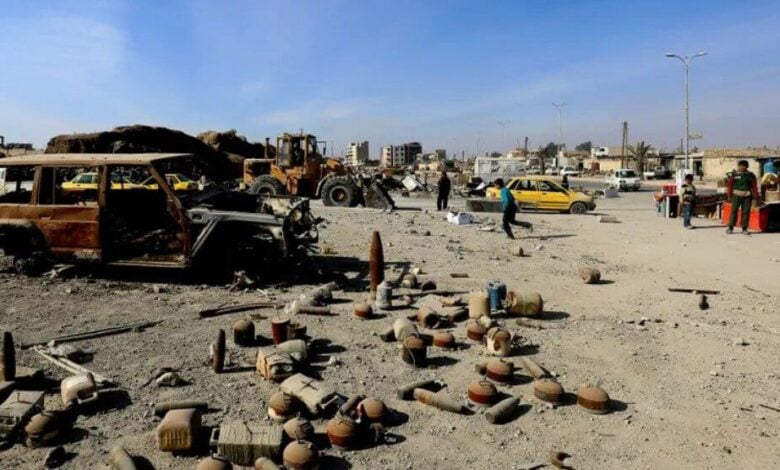
The report recorded over 6,000 people killed or injured during the past year. At least 1,945 individuals lost their lives, while 4,325 were wounded. Civilians made up close to 90% of the overall casualties, with women and children accounting for nearly half of those harmed. Researchers attribute the surge in deaths and injuries largely to ongoing explosions of remnants of war in Syria and Myanmar, coupled with weakened international engagement with the Anti-Personnel Mine Ban Convention.
In Syria, families returning to areas once controlled by armed groups continue to encounter lethal unexploded munitions, creating persistent risks for displaced populations seeking to rebuild their lives. Meanwhile, Myanmar recorded the highest number of incidents, surpassing 2,000 explosions, amid increased deployment of mines by government forces and non-state armed groups.
The report also notes a series of deadly explosions in multiple countries in recent months, affecting residents in rural and urban areas alike and fueling anxiety within communities. Humanitarian organizations have renewed calls for expanded demining operations and improved preventive measures to protect civilians.
Established in 1999, the Mine Ban Treaty obliges its 166 state parties to prohibit the use, production, and transfer of anti-personnel mines while clearing contaminated land and assisting survivors. However, several European countries — including Estonia, Finland, Latvia, Lithuania, and Poland — are reportedly considering withdrawing from the treaty, citing rising security concerns linked to Russia. Analysts warn that such moves could undermine global disarmament efforts.
The report further cautions that declining donor funding, particularly from major contributors such as the United States, has forced the shutdown of humanitarian mine-action projects and reduced support services for survivors. States party to the convention are scheduled to meet in Geneva this week to discuss future strategies for curbing the use and impact of these banned weapons.