
Portugal’s Face Covering Ban Draws Criticism from Rights Groups
Portugal’s Face Covering Ban Draws Criticism from Rights Groups
—————————————————
Portugal’s approval of legislation banning face coverings in public spaces has sparked criticism from Amnesty International and civil liberties advocates, who warn that the law could negatively affect religious freedom and social participation.
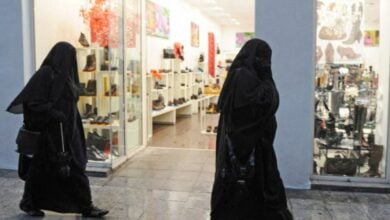
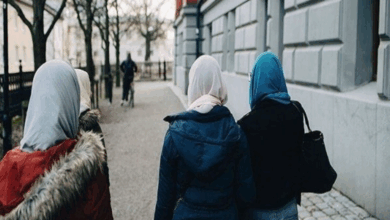
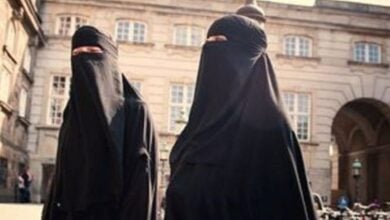
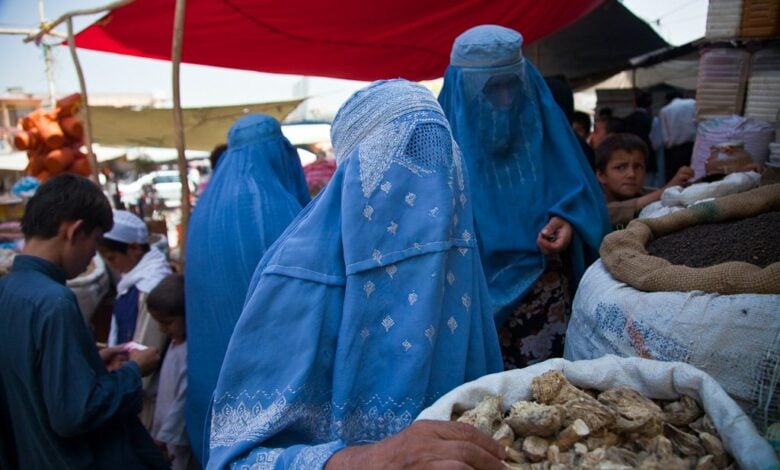
The legislation prohibits the covering of the face in public areas, citing public security and order concerns. Although the final version does not specifically mention Islamic garments, rights groups say it will disproportionately affect Muslim women who choose to wear full-face veils such as the niqab.
Amnesty International Portugal criticized the measure, arguing that it could increase the exclusion and isolation of women who wear face coverings and make it more difficult for them to access education, employment and public services.
The bill was initially introduced by the far-right Chega party and later gained support from the center-right Social Democratic Party and Liberal Initiative. The original draft directly referred to Islamic clothing, but lawmakers revised the wording to avoid constitutional concerns related to freedom of religion.
Critics argue that existing security regulations already allow authorities to request the removal of face coverings when necessary for identification purposes. They warn that a broader ban could create risks for minority groups and potentially affect freedom of expression and assembly.
If implemented, Portugal would join several European countries, including France, Belgium, Austria, Denmark, Bulgaria and Switzerland, that have introduced restrictions on face coverings in public.