
Debate Grows in Europe Over Muslim Integration Policies, Religious Freedoms
Debate Grows in Europe Over Muslim Integration Policies, Religious Freedoms
——————————————-
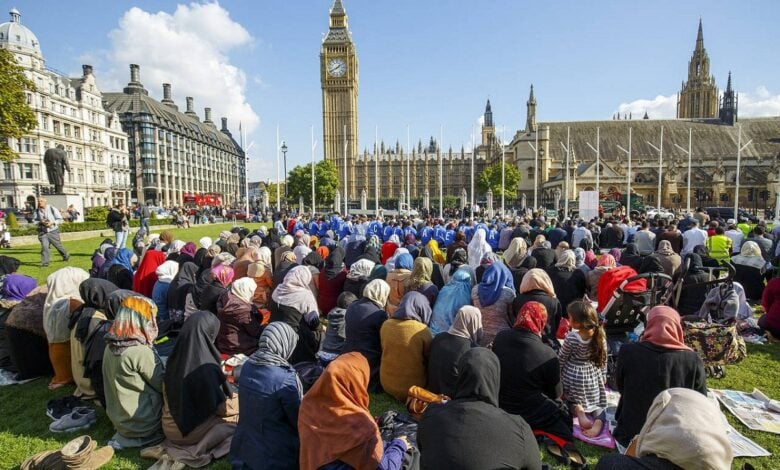
Debate is intensifying across Europe over the rights of Muslim communities as governments implement integration and security policies that critics say restrict religious practices.
Observers link the measures to the growing influence of right-wing and populist political movements in several European countries. The policies include bans on certain religious symbols such as the hijab and niqab, restrictions on mosque construction, and tighter regulations affecting Islamic marriage practices and religious education for children.
France has been at the center of the debate. The country introduced a 2004 law banning conspicuous religious symbols in public schools and a 2010 law prohibiting face coverings in public spaces, measures that directly affect Muslim dress such as the niqab and burqa. A 2021 charter outlining principles for Islam in France also drew criticism from some Islamic organizations, which argued that parts of it could threaten religious freedoms.
In Austria, parliament passed legislation banning girls under 14 from wearing the hijab in schools, although an earlier version of the law was struck down by the constitutional court for discrimination. Civil society groups have warned that such restrictions could push some students to leave school rather than comply.
Restrictions have also extended to places of worship. Authorities in Italy have tightened rules for mosque construction, while similar projects in Belgium and Switzerland face political and public opposition.
Meanwhile, rulings by the European Court of Justice allow employers to restrict religious symbols such as the hijab in workplaces under certain neutrality policies. Rights groups, including Human Rights Watch, say these developments highlight ongoing challenges for Muslims seeking equal protection under European laws.