
Scientists warn mountain glaciers disappearing as climate crisis accelerates
Scientists warn mountain glaciers disappearing as climate crisis accelerates
——————————
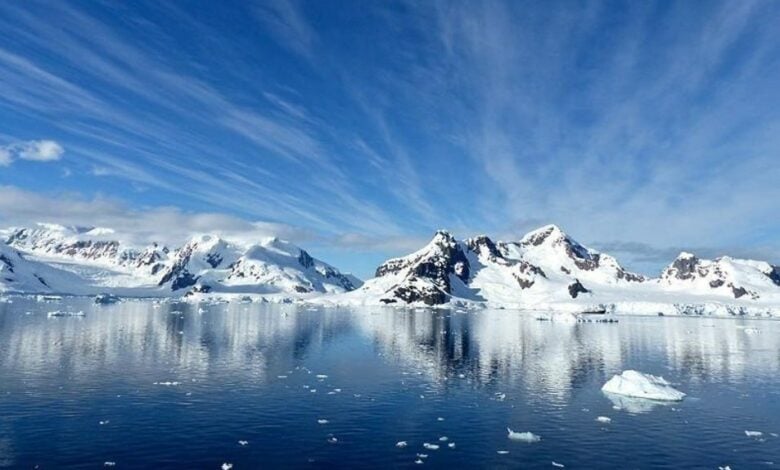
Mountain glaciers are disappearing from the face of the planet as a result of climate change, according to Anadolu Agency citing scientists’ latest data warning that this loss puts the water supplies of millions of people at risk and threatens more and more land- and weather-based disasters.
The United Nations has declared 2025 the International Year of Glaciers’ Preservation, with this year’s International Mountain Day on Dec. 11 highlighting the theme: “Glaciers matter for water, food and livelihoods in mountains and beyond.”
According to the latest Intergovernmental Panel on Climate Change (IPCC) Assessment Report, mountain glaciers lost an average of 267 gigatons of ice per year between 2000 and 2020. The World Glacier Monitoring Service (WGMS) 2024 report confirmed that 2023 marked the fastest recorded year of glacier loss in history.
Under current IPCC scenarios, the outlook for mountain glaciers is catastrophic. Even if warming is limited to 1.5C, half of them will disappear by the end of the century. At 2C of warming, 60%–70% will be lost, and at 3C, nearly all mountain glaciers on Earth will vanish.
Experts warn that high-mountain ecosystems are undergoing a rapid and irreversible transformation due to global warming, shifting precipitation patterns and intensifying extreme weather.
Rapid glacier melt also sharply increases geological hazards such as landslides, flash floods and glacial lake outburst floods while disrupting ecosystems and destabilizing global atmospheric circulation.
They warn that glacier-fed water loss could force at least 30 million people to abandon their homes between 2030 and 2050.
To slow the collapse, they have called for immediate action: high-resolution monitoring using Lidar, GNSS, Sentinel satellites and high-altitude drones; national early-warning hydrological models for flash floods and glacial lake outbursts; and most critically, drastic global cuts in CO2 and black carbon emissions.