
Study Warns Thousands of European Landfills at Risk of Leaking Toxic Waste Amid Rising Flood Threats
Study Warns Thousands of European Landfills at Risk of Leaking Toxic Waste Amid Rising Flood Threats
…………….
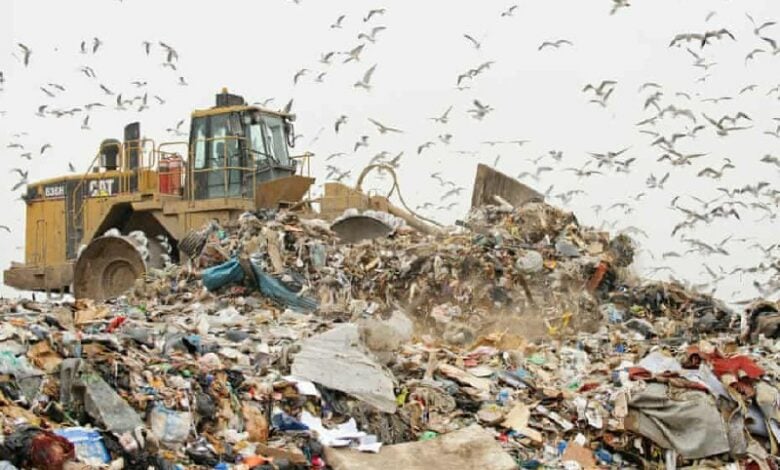
Thousands of landfill sites across the UK and Europe are located in flood-prone areas, raising concerns that rising waters could release toxic waste into rivers, soil and ecosystems. The findings come from the first Europe-wide landfill mapping project conducted by the Guardian in partnership with Watershed Investigations and Investigate Europe.
Researchers estimate Europe has up to 500,000 landfill sites, the majority built before modern environmental protections were introduced. Of more than 61,000 mapped so far, 28% are in flood-risk zones, and modelling suggests as many as 140,000 could be vulnerable. Experts warn that ageing, unlined landfills may leak hazardous materials, including plastics, construction debris, toxic metals, PCBs and PFAS “forever chemicals.”
Patrick Byrne of Liverpool John Moores University said intensified flooding and erosion linked to climate change increases the likelihood that contaminants will spread into water systems and food chains. Kate Spencer of Queen Mary University London added that inadequate records leave authorities uncertain about which sites pose the greatest risks.
Evidence of pollution has already been detected. Byrne identified PFAS levels 20 times above safe drinking standards at a historic landfill in Cheshire, while tests in Greece found elevated PFAS, mercury and cadmium leaching from a former landfill into a mountain river. Nearly 10,000 mapped sites are located within drinking-water source zones in six European countries.
Coastal regions face particularly acute threats, with 346 landfills in erosion zones in England, Wales and France and hundreds more situated close to shorelines. Spencer’s research found elevated arsenic and lead leaching from eroding coastal landfills in northeast and southwest England.
The environmental implications extend beyond human health. More than 2,000 landfill sites lie within protected conservation areas, risking contamination of wetlands and wildlife. Illegal waste dumping, highlighted by Europol as a growing area of organised crime, compounds the challenge.
Regulators acknowledge the scale of the problem. The UK Environment Agency is conducting multi-year research into PFAS pollution, while Defra says forthcoming circular-economy reforms aim to reduce landfill use and strengthen waste management. Despite these efforts, experts warn that without comprehensive records and sustained investment, Europe remains unprepared for the mounting environmental threats posed by ageing landfill sites.