
Middle East Tensions Add Pressure to Global Economy, Key Sectors Face Strain

Middle East Tensions Add Pressure to Global Economy, Key Sectors Face Strain
———————————-
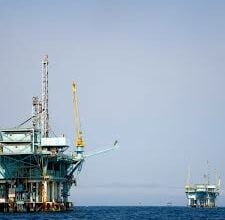
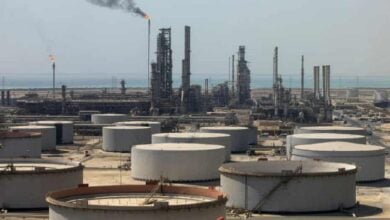
Ongoing tensions in the Middle East are contributing to heightened global economic uncertainty, with rising energy costs, market volatility, and sector-specific disruptions affecting economies worldwide.
According to assessments by the International Monetary Fund and other economic observers, geopolitical instability in the region is influencing global markets by driving fluctuations in oil prices, increasing inflationary pressures, and weakening investment confidence. These factors have complicated recovery efforts in several economies already facing post-pandemic challenges.
The impact is particularly visible in the aviation industry, where higher fuel costs and airspace disruptions have led airlines such as United Airlines, Air New Zealand, and Cathay Pacific to adjust flight capacity and, in some cases, increase ticket prices. Analysts warn that sustained cost pressures could affect demand and profitability across the sectors.
In Europe, businesses are also facing increased operating costs, contributing to inflationary trends and financial strain in sectors such as hospitality. Reporting by Deutsche Welle highlights growing concerns among restaurants and hotels, particularly in the United Kingdom, where rising wages and taxes are adding to existing pressures.
Meanwhile, economists note that currency fluctuations and reduced international investment flows are further signs of global market sensitivity to geopolitical developments. While some governments have introduced support measures to cushion economic impacts, experts emphasize that long-term stability will depend on easing regional tensions.