
Islamic Education in Philippines Gains Official Recognition as Partner in Peacebuilding and Stability
Islamic Education in Philippines Gains Official Recognition as Partner in Peacebuilding and Stability
————————————–
Islamic education in southern Philippines is gaining a prominent institutional role, evolving from a localized religious activity into a recognized partner in promoting social stability and peace in Muslim-majority regions.
Recent government support and official participation in Islamic educational events signal a significant shift in state policy, acknowledging the sector’s contributions beyond religious instruction. For decades, these institutions operated with limited resources, relying on community funding and donations, but they are now receiving broader institutional recognition, granting them increased stability and societal influence.
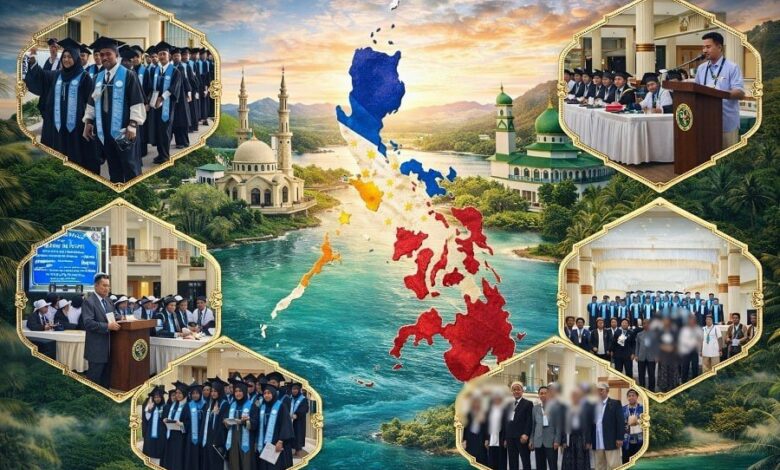
A recent graduation ceremony at the regional Capitol in Isabela City, Zamboanga Sibugay, brought together graduates from four Islamic educational institutions under the supervision of the Philippines’ Schools Union Committee. High-ranking officials, religious leaders, and educational administrators attended, reflecting the growing integration of Islamic education into the national educational framework and legal system.
This development coincides with political changes in Mindanao, particularly the establishment of the Bangsamoro Autonomous Region for Muslims, where education is viewed as a key tool for building trust and consolidating post-conflict stability. Observers note that official backing for these institutions marks a qualitative shift in the government’s approach: Islamic education is no longer confined to preserving religious identity but is now part of a broader strategy to support social development and peacebuilding.
Despite ongoing financial challenges faced by many institutions, increasing institutional recognition is providing them with wider opportunities to influence community development and contribute to preparing generations that balance religious identity with national engagement.