
Anti-Muslim Sentiment and Security Concerns Grow Among Rohingya Refugees in Malaysia
Anti-Muslim Sentiment and Security Concerns Grow Among Rohingya Refugees in Malaysia
—————————————————–
Rohingya Muslim refugees in Malaysia are facing increasing harassment, online hate campaigns, and threats that have disrupted access to education for refugee children. Human rights activists warn that the lack of formal legal protection has left thousands vulnerable to discrimination and insecurity.
A growing wave of hostility, street harassment, and misinformation campaigns targeting Rohingya Muslim refugees in Malaysia has raised concerns among human rights advocates over the safety and well-being of refugee families, particularly children.
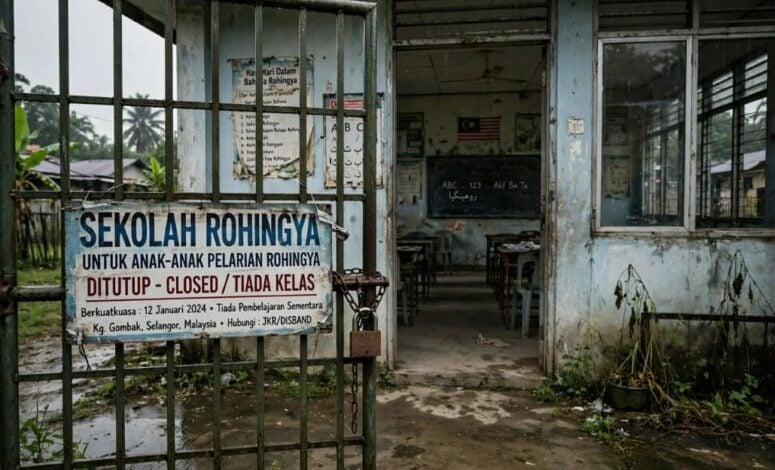
According to reports cited by Reuters, hostile behavior and fears of violence have contributed to the closure of at least nine schools serving Rohingya refugee children across Malaysia. Educators and activists said the worsening environment has caused psychological distress among children and limited their ability to safely attend classes.
Sharifah Shakira, a Rohingya community activist, expressed concern over the situation, saying many refugee children now fear leaving their homes because of possible harassment and aggressive encounters in public spaces.
The increase in anti-Rohingya sentiment has been linked by analysts to years of misinformation and online campaigns accusing refugees of spreading diseases or taking employment opportunities. Such narratives intensified during and after the COVID-19 pandemic, contributing to broader social hostility toward the community.
Although Malaysia, a Muslim-majority country, has expressed sympathy toward the Rohingya population, the community does not have official refugee status under Malaysian law. As a result, more than 120,000 registered Rohingya refugees in Malaysia under the United Nations refugee agency remain without full legal protections and continue to face uncertainty regarding their future.
The Rohingya, a Muslim minority from Myanmar’s Rakhine State, were forced to flee following a military crackdown and violence in 2017 that led hundreds of thousands to seek refuge in neighboring countries, particularly Bangladesh.
Human rights groups say that while many Rohingya refugees continue to endure difficult conditions in displacement camps and host countries, stronger government action, legal protections, and measures against online hate speech are needed to safeguard their security, dignity, and access to basic rights, including education.