

Five Ancient Underground Mosques in Mangystau Move Closer to UNESCO Recognition
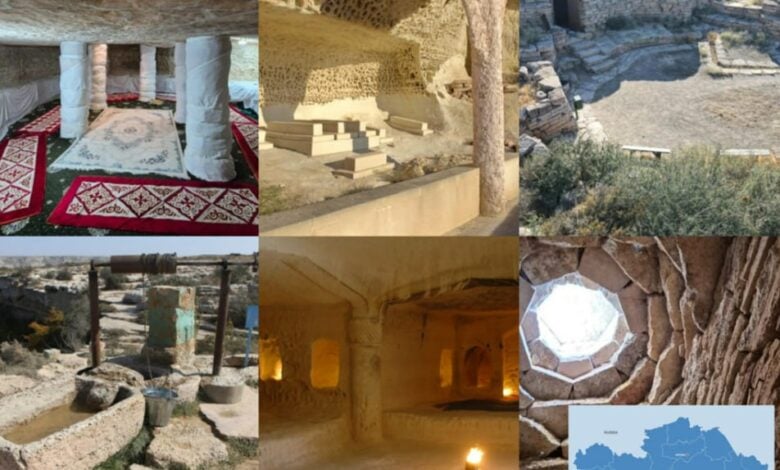
Five Ancient Underground Mosques in Mangystau Move Closer to UNESCO Recognition
———————————-
Five ancient underground mosques in Kazakhstan’s Mangystau Region have been added to UNESCO’s Tentative List of World Heritage sites, marking a significant step toward international recognition of the country’s Islamic and cultural heritage, according to The Astana Times.
The update follows a recent field visit by a UNESCO representative, with a final evaluation expected in 2027.
The sites include the underground mosques and necropolis complexes of Karaman Ata, Shakpak Ata, Sultan Epe, Beket Ata, and Shopan Ata, which for centuries have served as places of worship, pilgrimage, education, and burial in western Kazakhstan. Specialists from the Mangystau State Historical and Cultural Reserve say the monuments reflect a unique architectural tradition in which mosques were carved into rock formations or adapted from natural caves.
Each complex holds historical and spiritual significance. Karaman Ata is associated with medieval burial structures and local legends, while Sultan Epe lies near the Caspian coast and features freshwater springs long revered by pilgrims. Shakpak Ata is noted for its extensive stone inscriptions and carvings dating from the 14th to 19th centuries. Shopan Ata developed along an ancient caravan route linking Mangystau to Khorezm, and Beket Ata, an 18th-century scholar and architect, established underground religious schools that remain active pilgrimage destinations.
Officials say inclusion on the Tentative List highlights Kazakhstan’s diverse religious heritage and could strengthen preservation and tourism efforts if full World Heritage status is granted.