
Texas and Florida Escalate Legal Actions Against Muslim Organizations
Texas and Florida Escalate Legal Actions Against Muslim Organizations
………….
Texas and Florida, led by prominent Republican officials, are spearheading a political and legal escalation targeting Muslim civil rights organizations in the United States. The measures have raised concerns among civil liberties advocates, who say the actions risk stigmatizing Muslim civic engagement, particularly amid heightened political tensions following the war in Gaza.
Human rights groups and research organizations argue that the campaign lacks clear legal foundations or judicial evidence. They say it relies instead on ideological rhetoric that links civil rights advocacy to national security threats, potentially enabling funding restrictions, narrowing civic space, and silencing criticism of U.S. or Israeli policies.
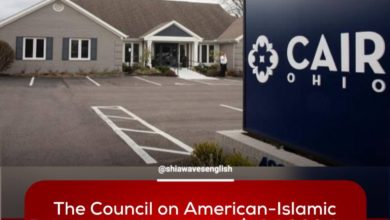
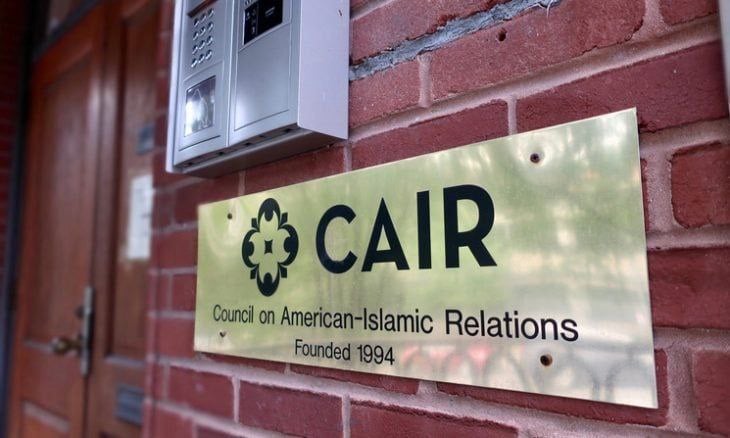
The Council on American-Islamic Relations (CAIR) has emerged as a central focus of the actions. Republican officials have repeatedly associated the organization with extremist groups, allegations CAIR denies and which have not been upheld in court. Both states’ governors issued executive orders labeling CAIR and the Muslim Brotherhood as “foreign terrorist organizations.”
Legal experts note that the designation of foreign terrorist groups is a power reserved for the federal government, specifically the U.S. State Department. They warn that state-level attempts to apply such classifications could undermine constitutional principles, including the separation of powers and the rule of law.
Observers also highlight the rhetoric surrounding the measures, which invokes terms such as “Sharia law” and “Islamic domination.” Critics argue that this language reflects longstanding stereotypes and does not accurately represent the lived reality of Muslim Americans or the work of their civic institutions.
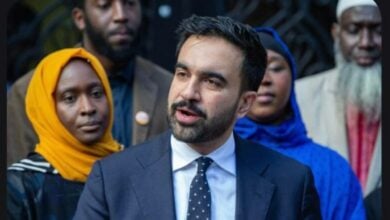
Civil rights organizations caution that the implications extend beyond Muslim groups. They warn that setting legal precedents to target nonprofit organizations based on political positions could later affect environmental, labor, or other advocacy groups. CAIR has filed lawsuits against both states, framing the dispute as a constitutional test of free speech and religious freedom protections.