
UN Warns Global Hunger Remains at Unacceptable Levels, Calls for Fair and Sustainable Food Systems

UN Warns Global Hunger Remains at Unacceptable Levels, Calls for Fair and Sustainable Food Systems
——————————————————-
The United Nations has warned that global hunger and food insecurity remain at unacceptable levels, with millions of people worldwide struggling to obtain sufficient food despite decades of progress in development and food production.
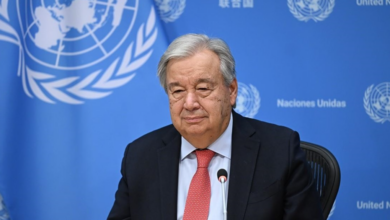
UN Secretary-General António Guterres expressed concern over persistent weaknesses in the global food system, emphasizing that international efforts have yet to ensure universal access to adequate nutrition. He stressed that access to safe and sufficient food is a fundamental human right and called on governments and the international community to take practical measures to build more equitable and sustainable food systems.
Guterres also highlighted the urgent need to strengthen initiatives to combat hunger, improve food security, and ensure that essential food supplies reach the most vulnerable communities. Reducing inequalities in access to food and addressing the economic and humanitarian factors driving food insecurity remain key priorities.
The UN’s warnings come amid a deepening humanitarian crisis in Afghanistan. According to previously reported UN data cited by Shafaqna Afghanistan, approximately 15.9 million people in the country are experiencing acute food insecurity.
The figures highlight the difficulties faced by millions of Afghan families in meeting their basic nutritional needs, as hunger and malnutrition continue to threaten vulnerable communities, particularly those requiring urgent humanitarian assistance.
The United Nations’ warning highlights the importance of intensifying international cooperation to tackle hunger and build resilient food systems. This includes developing effective agricultural policies, improving the distribution of food resources, and ensuring that vulnerable populations are not excluded from access to adequate nutrition.
Combining immediate humanitarian assistance with long-term development strategies will be essential to protecting millions of people from the consequences of food insecurity and advancing the Sustainable Development Goals, particularly the objective of ending hunger and achieving food security for all.