

Japan Turns to Artificial Intelligence to Address Ageing Population and Labour Shortages
Japan Turns to Artificial Intelligence to Address Ageing Population and Labour Shortages
———————————–
Japan is expanding the use of artificial intelligence as part of a national strategy to tackle the economic challenges caused by a rapidly ageing population and declining workforce. The country is testing AI applications in industries ranging from infrastructure and energy to healthcare and manufacturing, aiming to preserve expertise and improve productivity.
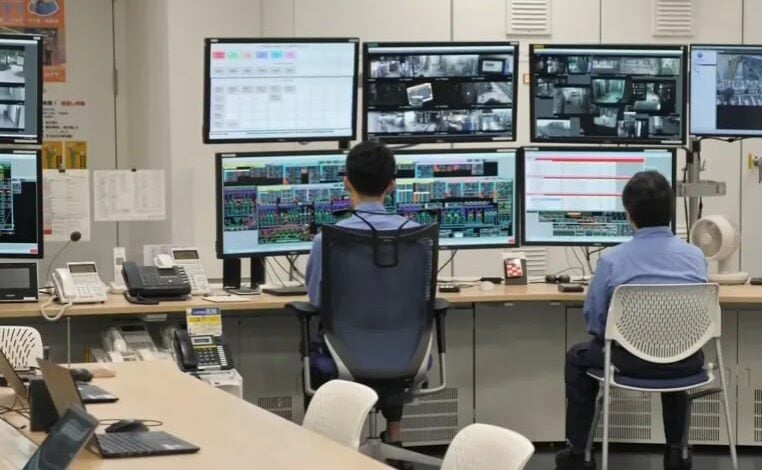
In Tokyo’s Otemachi business district, Marunouchi Heat Supply Company is using an AI system developed with technology firm Preferred Networks to manage its underground heating and cooling network. The system analyses operational data and provides recommendations to improve efficiency while helping preserve the knowledge of retiring engineers.
Japan, which has one of the world’s oldest populations, faces growing labour shortages across multiple sectors. Officials and industry leaders increasingly view AI as a tool to support workers rather than replace them, allowing companies to maintain operations despite a shrinking workforce.
At the same time, Japan is seeking to strengthen its position in the global AI competition. While the United States and China have produced hundreds of billion-dollar technology startups, Japan has fewer major AI companies. Startups such as Sakana AI are attempting to build a different approach by focusing on practical AI solutions for real-world problems rather than competing directly with large-scale AI developers.
The Japanese government has placed artificial intelligence, semiconductors and advanced research at the centre of its economic plans, with a goal of mobilising around 370 trillion yen ($2.3 trillion) in public and private investment by 2040.