
UN Documents Major Violations in Sweida Clashes as Syria’s Religious Minorities Face Violence
UN Documents Major Violations in Sweida Clashes as Syria’s Religious Minorities Face Violence
———————————–
The United Nations Commission of Inquiry on Syria has issued a report documenting horrific death toll and sufferings during a spate of violence in July 2025 in Sweida Governorate.
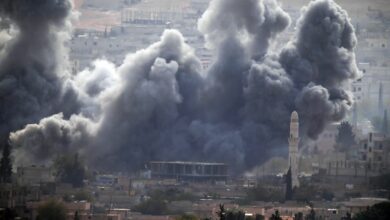
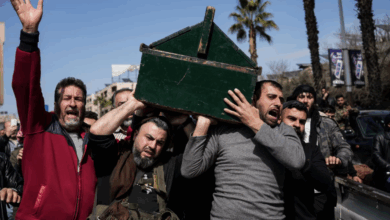
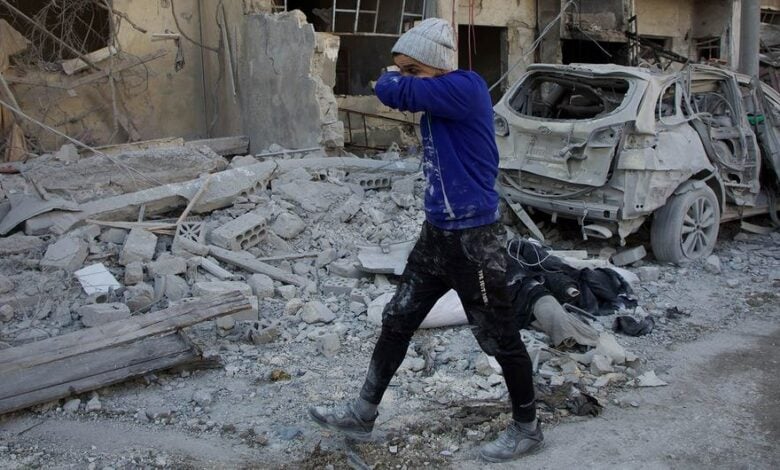
The United Nations Commission of Inquiry on Syria has documented over 1,700 people killed and nearly 200,000 displaced during a sharp escalation of violence in July 2025 in Sweida Governorate, highlighting extensive violations that may constitute war crimes or crimes against humanity. The report, published on March 27, 2026, detailed executions, torture, gender‑based violence and widespread destruction of civilian homes and places of worship affecting local communities.
Sweida is predominantly home to the Druze community, a religious minority whose faith has historical roots in an offshoot of Ismaili Islam and distinct cultural traditions. Druze populations in Syria have often sought autonomy and maintained a unique identity amid the country’s broader civil conflict. Tensions in the region escalated in July 2025 after clashes between Druze armed groups and Bedouin fighters, which drew in elements of the Syrian government’s military forces.
The violence unfolded in overlapping waves, initially involving government troops and tribal fighters targeting Druze areas, followed by retaliatory attacks on Bedouin communities, and ending with broader tribal assaults on Druze civilians. The UN report also noted how social media hate speech and disinformation contributed to deepening sectarian divides.
In response to the crisis, Syrian authorities pledged investigations and have reportedly detained some security personnel, but the UN commission and independent observers have called for expanded, impartial probes into command responsibility and accountability across all sides of the conflict.
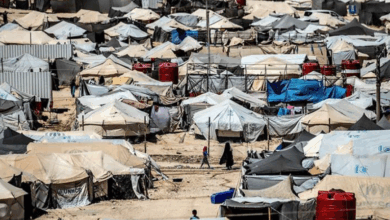
Ongoing humanitarian challenges — including massive displacement, damaged infrastructure, and disrupted services — underscore the broader context of instability in post‑Assad Syria, where minority groups like the Druze face heightened vulnerability in a fractured political landscape.