

Government Survey: Muslims Experience Highest Levels of Loneliness Among Religious Groups in England
Government Survey: Muslims Experience Highest Levels of Loneliness Among Religious Groups in England
A comprehensive government survey in England has revealed a striking paradox regarding the social conditions of Muslims, showing that nearly two-thirds of Muslims feel a strong sense of belonging to their neighborhoods and local communities, while at the same time reporting the highest rates of loneliness compared to other religious groups.
The “Community Life Survey” encompassed approximately 175,000 individuals and covered a range of civic and social participation indicators, including volunteering, neighborly interactions, sense of neighborhood belonging, and involvement in community life.
The findings indicated that about 8% of adult Muslims reported feeling lonely often or always, marking the third consecutive year that Muslims have emerged in the annual survey as the religious group most frequently reporting feelings of loneliness in England.
Conversely, the data showed a high level of community attachment among Muslims, with approximately two-thirds expressing a strong sense of belonging to their neighborhoods, a percentage exceeding the national average. This sentiment was notably pronounced among residents of Pakistani and Bangladeshi descent.
Researchers suggest that these results challenge the stereotype that portrays British Muslims as less integrated into society, asserting that civic engagement and interaction with the local community hold significant importance for large segments of the Muslim population.
At the same time, experts noted that increased feelings of loneliness might be linked to various factors, including the social isolation faced by certain groups, especially new Muslims and some women, in addition to feelings of marginalization or rejection based on religious identity.
These findings emerge amid growing attention to loneliness as a public social and health issue in Britain, with the UK government allocating 4.5 million pounds for the years 2025 and 2026 to combat isolation and loneliness across England.
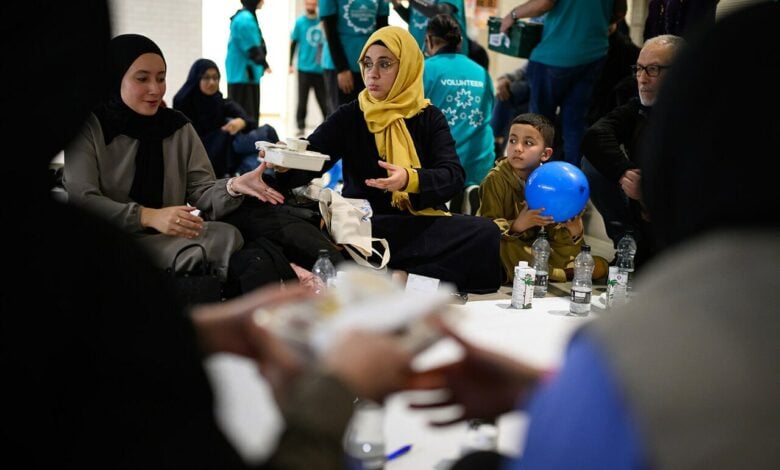
Community initiatives in several British cities have also launched programs aimed at reducing isolation among Muslims through sports activities, social events, trips, and gatherings that respect the religious and cultural needs of participants.
Experts believe that the rise in anti-Muslim rhetoric may act as an additional factor in exacerbating feelings of isolation among some individuals, emphasizing the need to differentiate between lack of integration and loneliness resulting from marginalization or social non-acceptance.
The survey results highlight the complex social reality for Muslims in England, where high levels of belonging and participation in local communities coexist with ongoing challenges of loneliness and isolation among certain groups.