
Mass Displacement in Lebanon as UN Launches $308 Million Appeal Amid Escalating Israeli Strikes
Mass Displacement in Lebanon as UN Launches $308 Million Appeal Amid Escalating Israeli Strikes
——————————-
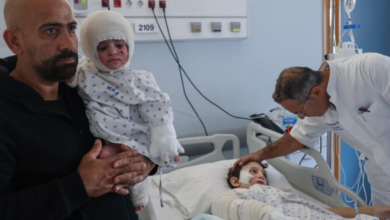
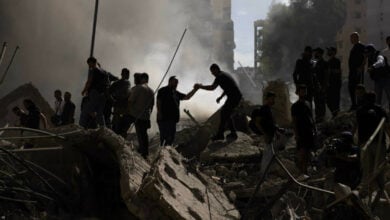
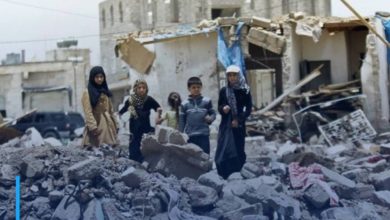
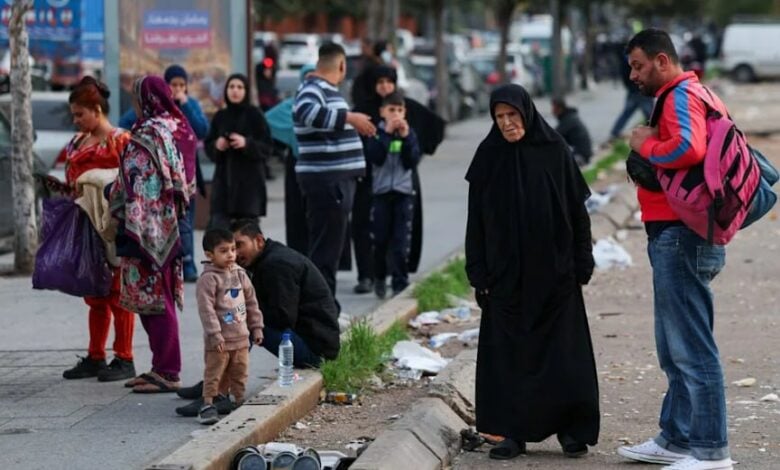
Lebanon is facing a rapidly worsening humanitarian crisis as intensified Israeli bombardments and evacuation orders have forced massive displacement across the country, with humanitarian agencies warning that the situation is approaching a breaking point.
More details in the following report:
According to the Norwegian Refugee Council (NRC), at least 816,000 people—around 14 percent of Lebanon’s population—have been displaced within the first ten days of the escalation. The organization said the number is expected to rise as evacuation warnings expand and airstrikes continue to target villages and urban areas.
Israel’s evacuation orders now cover roughly 1,470 square kilometres, also about 14 percent of Lebanon’s territory, including parts of South Lebanon, Beirut’s southern suburbs and areas of the Bekaa Valley. Aid groups say the sweeping directives have created widespread fear among residents, with many fleeing their homes amid concerns of imminent strikes.
Humanitarian conditions in shelters have deteriorated rapidly as thousands seek safety. More than 122,000 displaced people are currently staying in collective shelters, including schools and public buildings. In some locations, about 15 people are sharing each classroom, while an average of 23 people rely on a single toilet. Many shelters lack showers, cooking facilities and sufficient water supplies.
During a surprise visit to Beirut, António Guterres, Secretary-General of the United Nations, announced a three-month humanitarian appeal of $308.3 million to support up to one million affected people, including vulnerable Lebanese families, displaced Syrians and Palestinian refugees.
The UN chief met with Lebanese President Joseph Aoun, Parliament Speaker Nabih Berri and Prime Minister Nawaf Salam during his visit, urging all parties to agree to an immediate ceasefire to halt civilian suffering.
Meanwhile, Tom Fletcher, the UN’s emergency relief coordinator, warned that disruptions to humanitarian shipping routes—particularly through the Strait of Hormuz—could severely impact the delivery of aid and essential goods worldwide. He said any blockage could raise the cost of food, medicine and other life-saving supplies, especially in regions already facing food insecurity.