
Zohran Mamdani’s letter to Indian activist reveals how Modi govt weaponised anti-terror law against Muslims
Zohran Mamdani’s letter to Indian activist reveals how Modi govt weaponised anti-terror law against Muslims
——————————
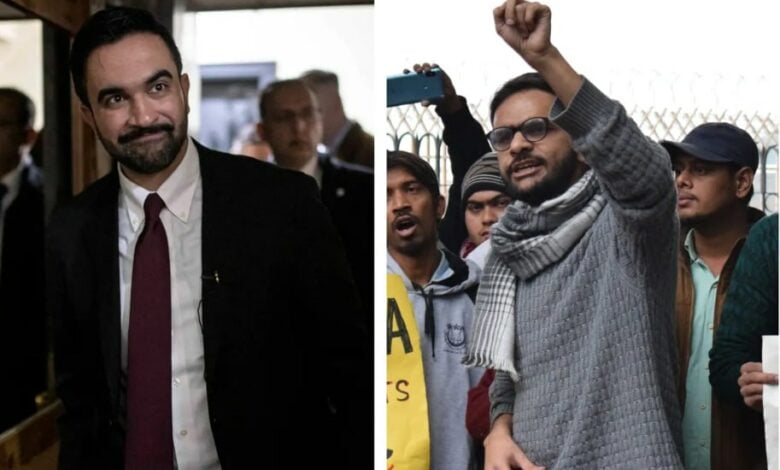
Zohran Mamdani’s recent letter to jailed Indian activist Umar Khalid has renewed international attention on the use of India’s anti-terror legislation against Muslim activists and government critics, TRT World reported.
Mamdani, who was recently sworn in as New York City’s first Muslim and South Asian mayor, wrote a short handwritten note to Khalid, who has been imprisoned for nearly five years without trial. The letter was made public by Khalid’s partner shortly after Mamdani took office. In it, Mamdani referred to Khalid’s reflections on resisting bitterness and noted that he had met Khalid’s parents during their visit to the United States in early December.
Khalid has been held since September 2020 in connection with the February 2020 violence in northeast Delhi, which followed widespread protests against the Citizenship Amendment Act. He is charged under India’s Unlawful Activities (Prevention) Act (UAPA), a law that allows extended pretrial detention and makes bail difficult. Khalid has consistently denied the allegations, and human rights groups have described his case as emblematic of a broader crackdown on dissent under Prime Minister Narendra Modi’s government.
Shortly after Mamdani’s letter circulated, eight US lawmakers wrote to India’s ambassador in Washington urging authorities to ensure Khalid receives a fair and timely trial. The lawmakers, including Jim McGovern, Jamie Raskin, Chris Van Hollen, Pramila Jayapal and Rashida Tlaib, warned that his prolonged detention may violate international due process standards.
Although Mamdani did not sign the congressional letter, observers say his gesture helped refocus attention on Khalid’s case, which has drawn sustained criticism from international human rights organisations over concerns that anti-terror laws are being used to suppress peaceful protest and political dissent.