
UN Warns of Deepening Women’s Rights Crisis in Afghanistan Following New Taliban Decree
UN Warns of Deepening Women’s Rights Crisis in Afghanistan Following New Taliban Decree
————————————-
United Nations officials have warned that women’s rights in Afghanistan are facing further deterioration after a new decree issued by the Taliban authorities imposed additional restrictions, raising concerns about expanding discrimination and violence.
Since the Taliban’s return to power in the summer of 2021, conditions for women and girls have steadily declined, with policies limiting access to education, employment, mobility and public participation. The latest decree is reported to reinforce these measures, alongside revised punitive regulations and a new social classification system approved by the group’s leadership.
Under the new framework, violence against women — including domestic abuse — has lighter penalties than cruelty to animals under certain provisions, reinforcing fears of state-sanctioned discrimination and overturning protections for women. Critics say the code effectively treats women as ‘property’ or ‘subordinate,’ creating a system where husbands or guardians may impose physical punishment without severe consequences.
UN expert reports also document the severe practical impact of Taliban policies on women’s lives. Restrictions requiring women to be accompanied by male guardians for medical care have led to denied emergency treatment, with cases reported of women forced to give birth alone or unable to seek urgent help without a male relative. Health workers warn these policies could result in increased maternal and infant mortality.
In a statement issued on February 26, UN Women expressed deep concern over the renewed restrictions, warning that they expose women to greater risks of violence and violate fundamental rights. The agency stressed that women have the right to live safely, free from discrimination, and that legal frameworks must ensure equality before the law and effective access to justice.
Separately, Volker Türk, the United Nations High Commissioner for Human Rights, described Afghanistan under Taliban rule as a “graveyard of human rights,” cautioning that recent decrees institutionalize punishments and gender-based discrimination. He urged the international community to increase pressure on the Taliban authorities.
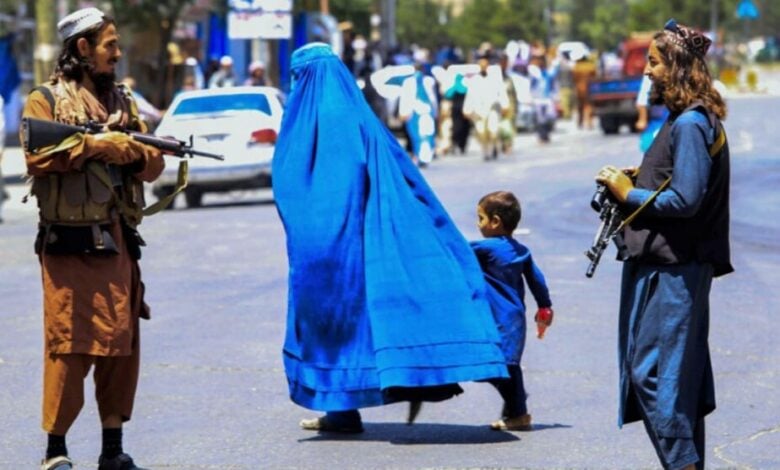
Over recent years, restrictions have included banning girls’ education beyond the age of 12, narrowing employment opportunities for women, and imposing strict controls on their presence in public spaces. Critics have also cited public executions, suppression of dissent, and constraints on information and communications.
UN officials warn that the new measures further burden women’s daily lives, particularly where complex requirements may compel victims of abuse to prove mistreatment under difficult conditions, even when the alleged abuser is a family member.
International calls continue for Afghanistan’s authorities to review these policies and uphold international human rights commitments to ensure women and girls can access education, work, and live with dignity and security.