
UN Report Says 75% of Afghanistan’s Population Faces Livelihood Insecurity
UN Report Says 75% of Afghanistan’s Population Faces Livelihood Insecurity
————————————-
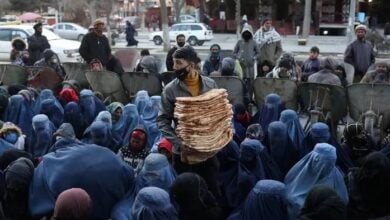
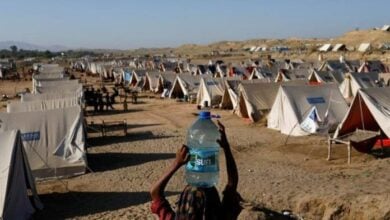
A new report by the United Nations Development Programme has found that more than 75% of the population in Afghanistan is experiencing acute livelihood insecurity, highlighting the depth of the country’s economic and social crisis since the Taliban returned to power.
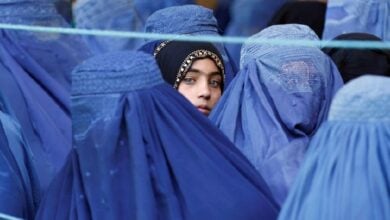
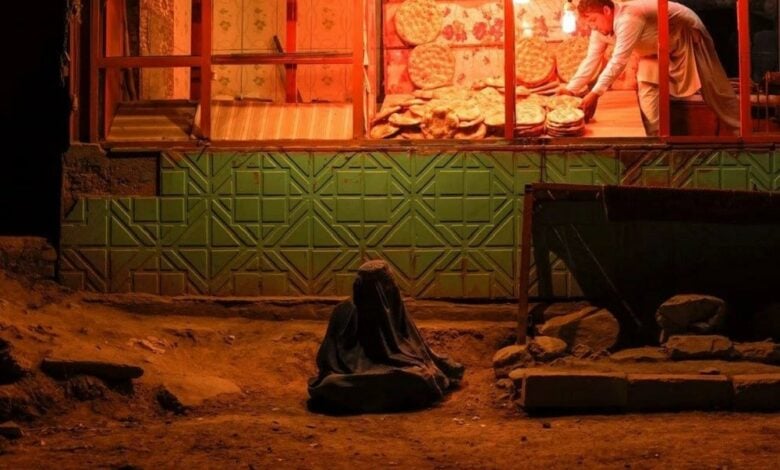
The report notes that living conditions are deteriorating at an alarming rate, particularly for women and female-headed households, amid sweeping restrictions on education and employment. Women’s participation in the labor market stands at about 7%, one of the lowest rates globally, while 88% of households headed by women are deprived of basic needs such as food, healthcare, education, and adequate housing.
According to the UNDP, policies imposed since August 2021—including bans on girls’ and women’s education beyond certain levels and prohibitions on employment in many sectors, including civil society and parts of the international aid system—have had direct economic consequences by shrinking the workforce and driving up poverty.
UN experts warn that excluding women from education and work threatens the future of entire generations and further weakens an economy already strained by frozen foreign assets, reduced investment, and declining international assistance.
A separate report issued in late December 2025 by the United Nations Security Council estimated that restrictions on women cost Afghanistan more than $1 billion annually. The UNDP stressed that lifting these restrictions and reintegrating women into economic and educational life is essential for any sustainable recovery.