
Returning Shiite Migrants in Afghanistan Face Organized Violence from Taliban and ISKP, Reports Say
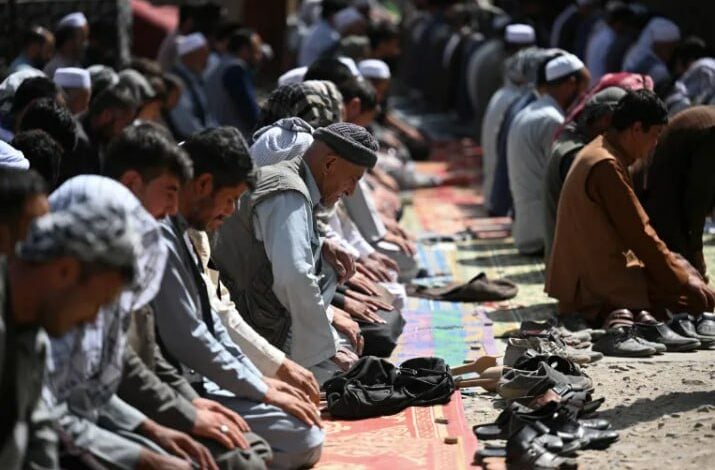
Returning Shiite Migrants in Afghanistan Face Organized Violence from Taliban and ISKP, Reports Say
———————————————
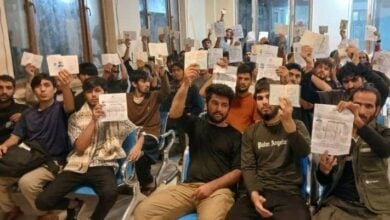
Returning Shiite migrants to Afghanistan have increasingly become targets of organized violence by the Taliban and the Islamic State Khorasan Province (ISKP), according to recent reports and security assessments, raising serious concerns about the safety and future of the minority community.
Reports indicate that Afghan Shiites who have returned in recent years—particularly members of the Hazara community—have been subjected to targeted attacks carried out by extremist Sunni groups, including ISKP and Tehreek-e-Taliban Pakistan (TTP), alongside Taliban forces. Analysts cited by local media say these groups have employed coordinated operational and media tactics that have heightened fear among returnees and their families.
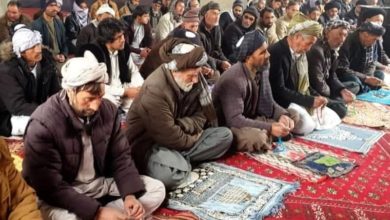
According to the Afghan news agency Bazgasht, the reported attacks have included bombings at schools and universities, armed assaults on mosques and gathering places, threats against families, and targeted acts of violence against individuals who recently returned to the country. The incidents have contributed to an atmosphere of insecurity that undermines prospects for resettlement and normal life.
Security experts quoted in the reports allege a pattern in which Taliban forces are said to carry out certain operations on the ground, while ISKP claims responsibility through its media channels. Analysts argue that this approach is intended to deflect political and social consequences from the Taliban while amplifying intimidation within Shiite communities. These claims could not be independently verified.
The reports further note that similar patterns of violence and responsibility-claiming have been observed in border areas involving coordination between ISKP and TTP, compounding risks for vulnerable populations.
Analysts warn that the apparent objective of these attacks is to weaken the presence of Shiites in their historical regions and to prevent the long-term stabilization of returnees’ lives, including access to education, livelihoods, and social participation.
Human rights advocates and security experts have called for increased international monitoring and protection of minority rights in Afghanistan, emphasizing the need for safeguards that would allow returning Shiite migrants to live safely and help break what they describe as a cycle of organized violence and religious discrimination.