
Shia-Majority Areas in Afghanistan Remain Deprived of Balanced Development
Shia-Majority Areas in Afghanistan Remain Deprived of Balanced Development
—————————–
Shia-majority areas in Afghanistan continue to suffer from a lack of balanced development, with the absence of basic infrastructure—particularly roads and healthcare facilities—putting residents’ lives at risk.
Reports indicate that in recent years these regions have received only a small share of development budgets, and public services have seen little improvement. The shortage of essential infrastructure has left residents especially vulnerable during the winter months.
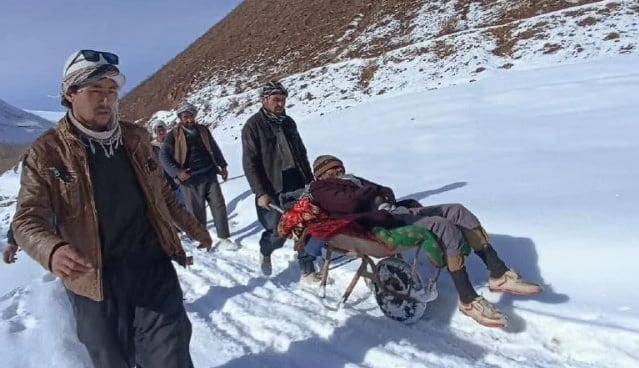
According to the international news outlet Al Jazeera, field reports and images from the village of Seyed Bacheh Koh in Behsud district of Maidan Wardak province show that the lack of a proper road forced residents to carry a sick patient by hand to a medical center in the provincial capital. The journey to Kabul is approximately 100 kilometers, and the difficult terrain and harsh conditions pose serious threats to citizens’ lives.
In another incident, more than 100 passenger vehicles were stranded on the Bamiyan–Kabul road near the Haji Gak tunnel due to poor road conditions and severe weather. Timely intervention prevented a potential humanitarian disaster. Many of the stranded passengers were Shia, and delays in rescue efforts could have resulted in loss of life.
Experts and observers told Al Jazeera that these problems stem from the long-standing lack of balanced development in Afghanistan. Central and Shia-majority provinces have consistently received fewer development funds, and promises by previous governments to improve infrastructure were often made only ahead of elections and never fulfilled.
Local activists say conditions in provinces such as Bamiyan, Daikundi, and Ghazni have not improved over the past four years. The shortage of roads and healthcare facilities has created serious challenges, particularly for pregnant women and the elderly.
Residents have repeatedly called for practical, non-discriminatory measures to improve living conditions, but say they have yet to receive a clear response.