
Girls complain of Taliban education ban as it deepens isolation and mental strain
Girls complain of Taliban education ban as it deepens isolation and mental strain
——————————–
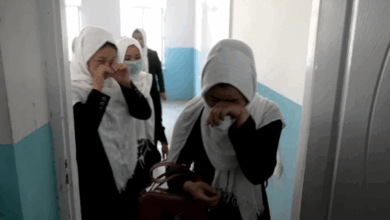
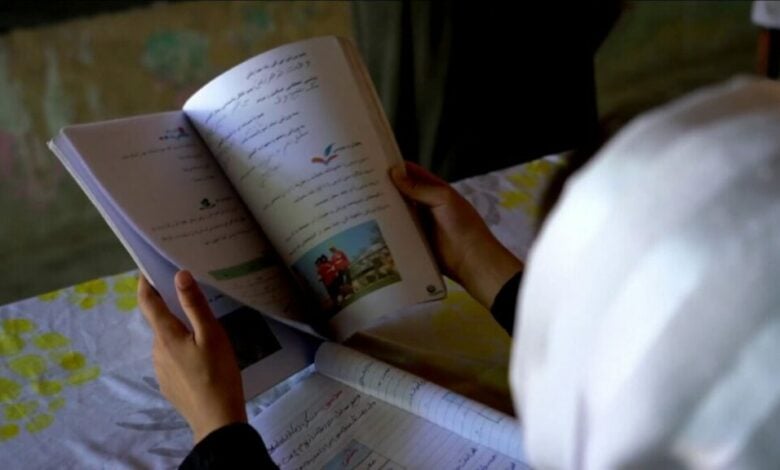
Schoolgirls and university students barred from education by the Taliban administration say prolonged restrictions have pushed them into forced isolation and mounting psychological distress, as 2026 begins with no indication that the bans will be lifted.
Secondary schools for girls have been closed for 1,566 days and universities for women for 1,107 days.
Students say the continued exclusion has turned daily life into a cycle of confinement, anxiety and uncertainty. “For us, time has stopped,” said one former student, who asked not to be named for safety reasons. “We are worried about our future and feel ignored.”
University lecturers and education specialists warn that the bans are eroding Afghanistan’s human capital and will have lasting consequences for society.
“When women are excluded from universities year after year, the country loses female doctors, teachers and professionals,” said Adela Zamani, a university lecturer. “The gap in education and skills among women is widening, and that damage will not be easy to reverse.”
The Taliban have repeatedly said their policies are in line with their interpretation of Islamic law but have offered no clear timeline or roadmap for reopening schools and universities to girls.
The restrictions remain in place despite sustained pressure from Afghan families, religious scholars abroad and the international community.
United Nations agencies have warned that the bans are contributing to a deepening humanitarian and social crisis. UNICEF says more than 2.2 million Afghan girls are currently out of school, as the country approaches the fifth year of restrictions on girls’ education.
The agency has cautioned that prolonged denial of schooling is undermining girls’ mental well-being, limiting their ability to make decisions about their lives and threatening Afghanistan’s long-term development.
Rights groups say the education ban is part of broader restrictions on women’s participation in public life, including limits on work, movement and access to public spaces, leaving many women and girls increasingly isolated inside their homes.