
Rising International Recognition of Islamophobia in Europe Contrasts with Policies Perpetuating Discrimination
Rising International Recognition of Islamophobia in Europe Contrasts with Policies Perpetuating Discrimination
———————————–
A recent report highlights rapid shifts in addressing Islamophobia in Europe, noting a transition from denial and neglect to increasing international recognition, while discriminatory policies against Muslims persist in several European countries.
The report, based on data from the European Islamophobia Report issued annually since 2015, states that the past decade has seen notable progress in acknowledging the problem. This progress culminated in the United Nations designating March 15 as the International Day to Combat Islamophobia and appointing a special envoy to monitor discrimination against Muslims.
These steps, the report notes, reflect a shift in international awareness, supported by research from over 30 scholars who have submitted periodic assessments of Muslim communities in more than 25 European countries.
Despite these achievements, significant challenges remain. Some European governments continue to deny or downplay the phenomenon, while others implement policies that institutionalize discrimination, such as restricting Islamic associations or limiting religious freedoms under security pretexts.
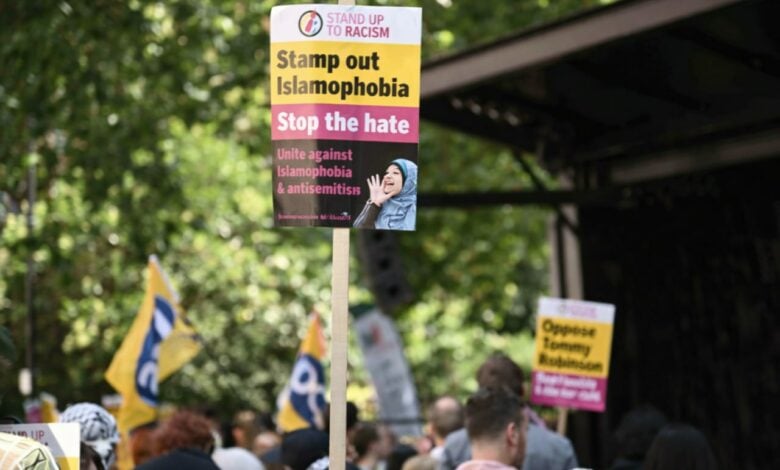
The report also highlights the growing influence of far-right movements, which have normalized anti-Muslim rhetoric in public discourse, negatively affecting social and economic conditions for Muslims. European data indicate that roughly 47% of Muslims in the EU have experienced discrimination in recent years, with significant impacts in employment and housing, alongside persistent harassment and racially motivated violence.
Muslim women, particularly those wearing religious attire, face higher levels of discrimination, and racial profiling remains prevalent in security procedures.
On a positive note, the report identifies progress in civil society, including increased anti-racism initiatives, improved monitoring of hate crimes, and coalition-building among affected communities.
The report concludes that effectively combating Islamophobia requires explicit political acknowledgment of the issue and the adoption of comprehensive policies that promote equality and protect fundamental freedoms, warning that continued neglect could erode democratic values and threaten social stability across Europe.