
UNESCO Calls for Sweeping Higher Education Reforms to Address Global Changes
UNESCO Calls for Sweeping Higher Education Reforms to Address Global Changes
—————————
The UNESCO has urged comprehensive reforms in higher education systems worldwide, warning that incremental changes are no longer sufficient to meet rapidly evolving global challenges.
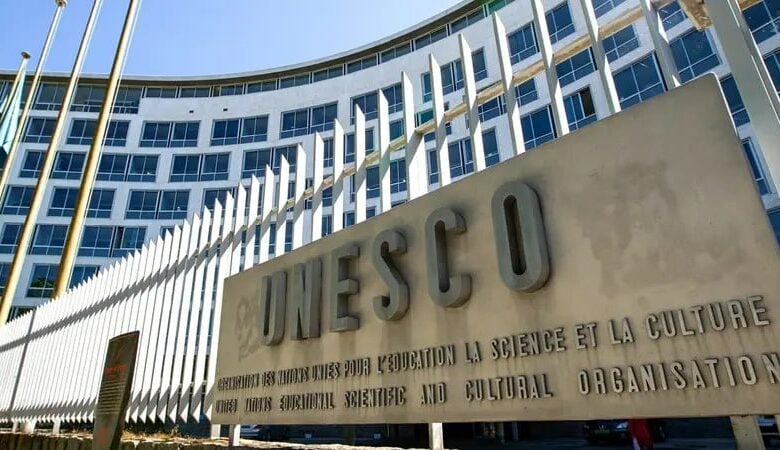
The call came in a new report titled “Transforming Higher Education: Global Collaboration for Vision and Action,” unveiled on March 12 at the organization’s headquarters in Paris. The report outlines guiding principles to help universities adapt to global transformations and strengthen their role in advancing inclusive and sustainable development.
According to the report, global demand for higher education has surged significantly over the past two decades. University enrollment rose from around 100 million students in 2000 to approximately 269 million in 2024, with participation rates reaching about 43% of the university-age population—the highest level recorded to date.
The report also highlighted a sharp increase in international student mobility, with numbers more than tripling to nearly 7 million students, alongside the expansion of accredited higher education institutions to over 22,000 worldwide. These trends reflect growing interconnectedness and diversity within the global education system.
Stefania Giannini said higher education systems are undergoing rapid transformation, stressing the need for universities to innovate and adapt while preserving their core mission of knowledge dissemination and expanding learning opportunities.
Meanwhile, Salah Khaled noted that the reform call holds particular significance for the Arab region, where universities continue to operate under challenging conditions while contributing to stability and progress.
He added that preparations are underway for the regional higher education conference in the Arab region, scheduled to take place in Doha on May 4–5, 2026, with support from the Qatari government and in partnership with national education authorities.
The report builds on the outcomes of the 2022 World Higher Education Conference and subsequent global consultations, emphasizing the need for deeper transformations in policies and practices. Key priorities include promoting educational equity, safeguarding academic freedom, and fostering critical thinking and creativity among students.
It also underscores the importance of integrating digital technologies and artificial intelligence into higher education through a human-centered approach that takes ethical and social considerations into account, while enhancing international academic cooperation and embedding sustainability at the core of university missions.
UNESCO concluded that investment in higher education, scientific research, and global academic collaboration is essential for building a more stable and prosperous future, calling on governments and institutions to work together to ensure quality education and equal opportunities for all.