
India’s Rich History, Muslim Heritage: Shaping Subcontinent’s Cultural Landscape
India’s Rich History, Muslim Heritage: Shaping Subcontinent’s Cultural Landscape
————————————-
India, a vast and historic land, has long been a crossroads of empires, cultures, and civilizations. Over centuries, the rise and fall of numerous kingdoms and dynasties shaped its social, political, and cultural fabric.
The subcontinent’s historical evolution also saw the emergence of separate nations, including Nepal, Bhutan, Sri Lanka, Myanmar, Pakistan, and Bangladesh, reflecting shifts in political, religious, and demographic dynamics. These separations have left a lasting impact on the region’s political map and population composition.
Muslims historically formed a significant portion of India’s population, establishing powerful kingdoms and dynasties across the land. Notable among these were the Mughal Empire and other regional Muslim rulers, who left an enduring legacy in governance, culture, science, and architecture.
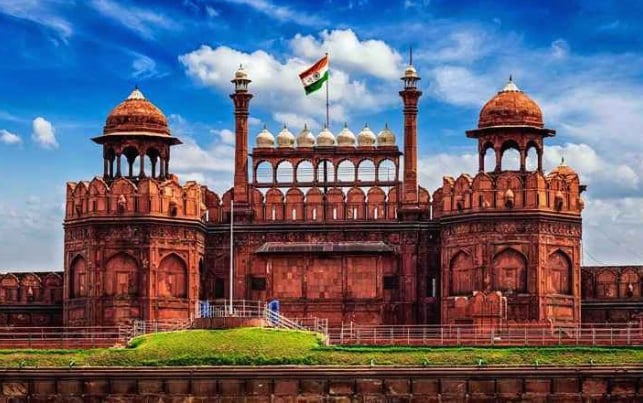
Iconic monuments such as the Taj Mahal, Agra Fort, Jama Masjid in Delhi, and Lahore Fort highlight the sophistication of Islamic architecture and artistry in India. These sites not only exemplify aesthetic achievement but also reflect the cultural exchanges between Muslim rulers and local communities. Many of these landmarks are recognized today as UNESCO World Heritage Sites.
Beyond architecture, Muslim rulers established centers of learning, education, and cultural development, fostering literature, arts, and sciences. Their influence enriched India’s cultural diversity and contributed to its national and religious identity.
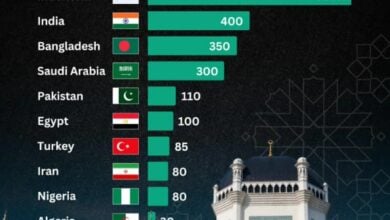
Today, India’s muslim population, historic heritage, and architectural marvels stand as testament to the subcontinent’s rich history, intercultural interaction, and enduring legacy of Muslim governance.