
Muslims’ shops face destruction in India’s UP
Muslims’ shops face destruction in India’s UP
—————————-
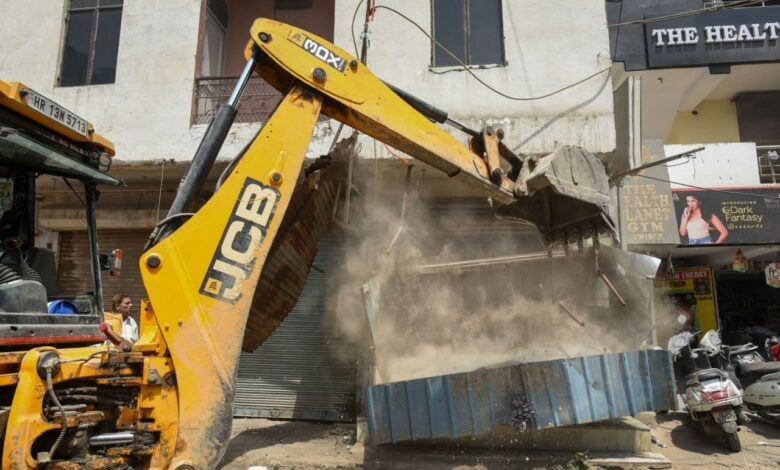
Authorities in India’s most populous Uttar Pradesh state have razed to ground a row of small shops in a Muslim-majority area of Ayodhya, Muslim Network reported.
The development has intensified allegations that bulldozers are being used as a tool of collective punishment against Muslims even while legal disputes remain unresolved.
The demolitions took place on Thursday in Adarsh Nagar Panchayat, in Janki Ward, where local residents claimed police and revenue officials arrived early with heavy machinery and razed shops that had supported families for years. The site lies near Maa Kamakhya Dham, in a zone that has come under heightened administrative scrutiny.
Shop owners said the land is the subject of an ongoing court case, with the next hearing scheduled for Feb. 10. Despite this, they said, the administration proceeded with irreversible action before judicial determination, leaving dozens of families without income.
Former village head Syed Nafisul Hasan Abid said the demolitions disproportionately affected poor Muslim families. He said the move ignored the pending legal process and destroyed livelihoods overnight. Residents echoed the concern, saying they would have complied with any adverse court ruling but were denied due process.
Officials defended the action, saying notices had been issued earlier and that the land was required for a sanctioned development project. The local administration said construction had been delayed due to what it described as encroachment.
Residents rejected that explanation, arguing that the case was still under judicial consideration and that any action should have awaited a court decision.
The episode fits a broader pattern seen across Uttar Pradesh, where demolitions have repeatedly followed communal flashpoints, protests, or accusations involving Muslims. Over the past several years, homes, shops, mosques, and religious schools linked to Muslim communities have been bulldozed, often before trials concluded or appeals were heard.