

Kashmir’s Kolahoi Glacier Rapidly Retreating, Threatening Ecosystems and Water Security
Kashmir’s Kolahoi Glacier Rapidly Retreating, Threatening Ecosystems and Water Security
…….
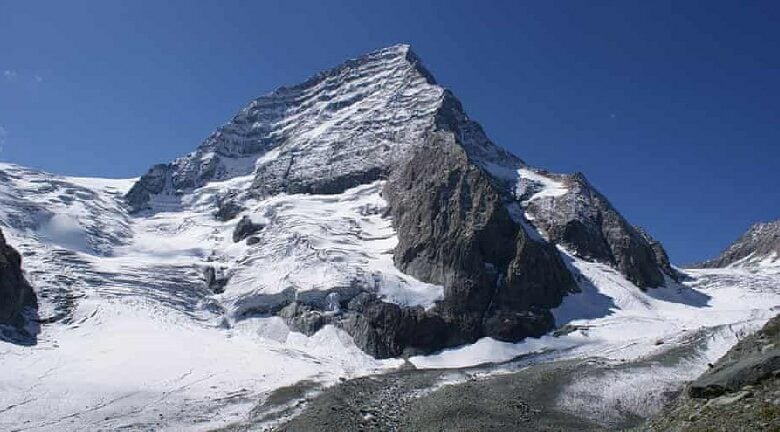
The Kolahoi glacier in Indian-administered Kashmir is shrinking at an accelerating pace, reshaping landscapes, ecosystems and livelihoods across the region, The Guardian reported. Once a major source of meltwater sustaining rivers, agricultural lands and forests, the glacier has retreated drastically, exposing bare rock and altering long-established ecological patterns.
Researchers say Kolahoi has been shrinking since the 19th century, with satellite assessments showing it lost nearly a quarter of its area over six decades and its snout retreating about 900 metres since 1978. The decline has disrupted water flows in the Lidder watershed, where agricultural land has fallen by nearly 40% between 1980 and 2018. Scientists warn that rising temperatures, pollution, deforestation and expanding tourist infrastructure are accelerating the melt.
Communities living around Pahalgam report streams drying earlier than ever, reducing irrigation for paddy fields, orchards and saffron farms. Shepherds say pastures and grazing routes are shifting, while wildlife such as musk deer, ibex and snow leopards are moving closer to villages as their habitats shrink. Studies indicate only 7% of the western Himalayas remains suitable for musk deer, with further losses expected by 2030.
Experts caution that all 18,000 glaciers across Jammu, Kashmir and Ladakh are retreating, with up to 70% potentially lost by the end of the century under projected temperature increases. The transformation is part of a wider Himalayan trend, with Nepal’s Yala glacier losing more than two-thirds of its volume. Scientists say the rapid melt underscores the profound link between glaciers, biodiversity and water security across the region.