

Human Rights Organizations Warn UN Human Rights Council of Ongoing Executions of Minors in Saudi Arabia
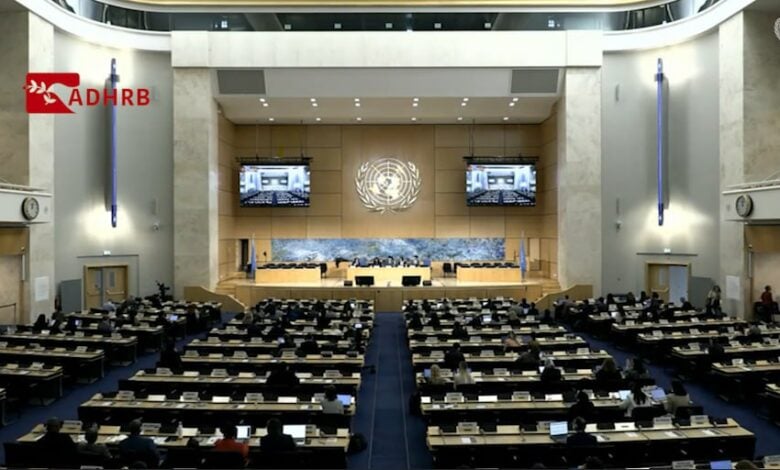
Human Rights Organizations Warn UN Human Rights Council of Ongoing Executions of Minors in Saudi Arabia
————————————————–
The organization Americans for Democracy and Human Rights in Bahrain (ADHRB) has raised concerns over the continued execution of individuals in Saudi Arabia for alleged offenses committed while they were minors, calling for an immediate halt to such practices and full compliance with international law, which prohibits the execution of individuals for crimes committed during childhood.
The warning was delivered on March 10, 2026, during the 61st session of the United Nations Human Rights Council, in the framework of an interactive dialogue with the UN Special Representative on Violence Against Children. ADHRB highlighted that executions for offenses allegedly committed by under-18s continue to be carried out despite official claims of legal reform.
The organization noted that in 2025, Saudi Arabia resumed executions in such cases, citing the deaths of Jalal Al-Labad on August 21 and Abdullah Al-Derazi on October 20, both of which were documented by international civil society organizations as involving acts believed to have occurred when the individuals were minors.
ADHRB acknowledged that Saudi authorities publicly announce legal reforms, including royal decrees and juvenile justice legislation, as evidence against executing child offenders. However, exceptions remain, particularly in cases related to “terrorism,” where discretionary death sentences can still be issued and enforced.
The organization emphasized that international law unequivocally prohibits the execution of minors, as stipulated in the Convention on the Rights of the Child, with no permissible exceptions or political considerations.
ADHRB urged the UN Special Rapporteur to call for an immediate halt to all death sentences for offenses committed by minors, ensure transparency in case reporting, and conduct independent reviews of sentences imposed under coercion, stressing that meaningful reform must be comprehensive and effectively implemented, not merely declarative.