
Immigrants in ICE Detention Face Barriers to Practicing Faith During Lent and Ramadan
Immigrants in ICE Detention Face Barriers to Practicing Faith During Lent and Ramadan
——————————————-
Advocates say immigrants held in U.S. Immigration and Customs Enforcement (ICE) detention facilities are struggling to access religious services amid the observance of Lent and Ramadan, an article by New York Times reported. Concerns have grown as the Trump administration’s expansion of detention has increased the detainee population to nearly 70,000, many held for months.
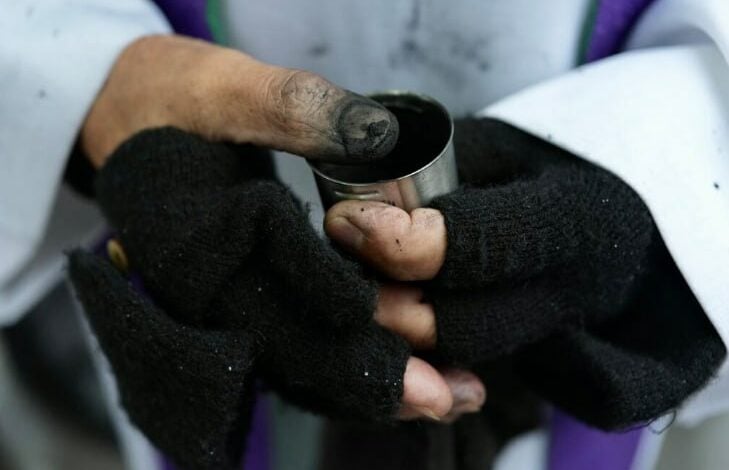
Some religious groups have resorted to lawsuits against the Department of Homeland Security to gain access, while others, such as the U.S. Conference of Catholic Bishops, have criticized restrictions on pastoral care. In several cases, legal action has allowed clergy to enter facilities, as occurred on Ash Wednesday at a Catholic detention center in Broadview, Illinois, where detainees received Communion and ashes.
However, access remains inconsistent. In Texas, Muslim detainees often lack chaplains, relying instead on Christian or interfaith clergy to meet religious dietary and worship needs. Advocacy groups report that detainees sometimes go without halal food due to uncertainty about its compliance, raising health concerns. Some advocates have also faced restrictions on visiting detainees due to immigration status or perceived religious identity.
ICE standards require detainees be allowed to participate in religious practices as long as security is not compromised, but implementation varies widely. Observers warn that the lack of consistent access to spiritual care adds to broader concerns about detainee welfare, including medical care, food, and legal support.
Religious leaders describe the situation as a moral issue. Bishop Brendan Cahill called the large-scale detention of families “a moral inflection point,” drawing comparisons to historic internment practices, and urged the government to respect detainees’ dignity and right to worship.