
Human Rights Watch Documents Grave Abuses Against People with Disabilities in El Fasher, Calls for Urgent International Action
Human Rights Watch Documents Grave Abuses Against People with Disabilities in El Fasher, Calls for Urgent International Action
——————————————–
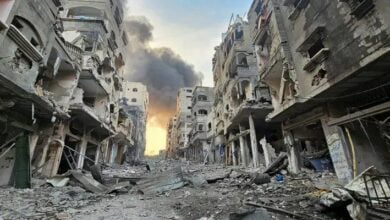
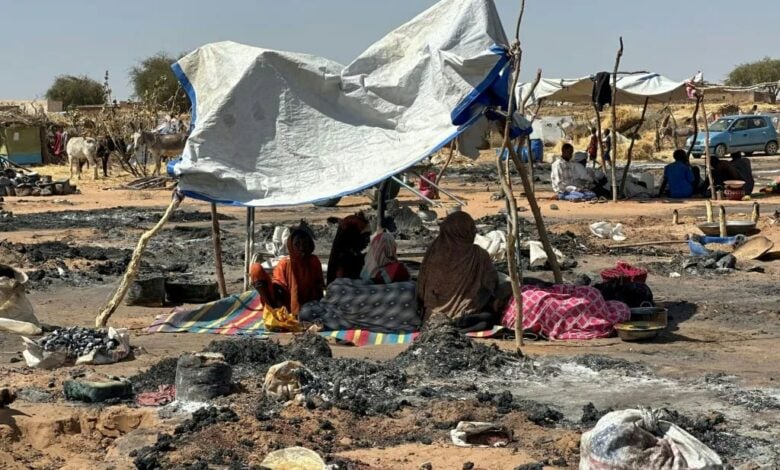
Human Rights Watch (HRW) has released a report documenting serious violations against people with disabilities during the attack on El Fasher in North Darfur, Sudan, carried out by the Rapid Support Forces (RSF). The organization warned that some of these abuses may constitute war crimes and crimes against humanity.
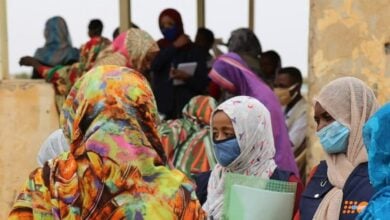
The report is based on interviews with 22 survivors and witnesses from El Fasher, conducted between December 2025 and February 2026. This includes individuals with physical and intellectual disabilities who fled to eastern Chad, as well as eight disability rights activists from other regions in Sudan who reported similar abuses.
According to HRW, people with disabilities were subjected to extrajudicial killings, torture, mistreatment, humiliation, and false accusations of being combatants.
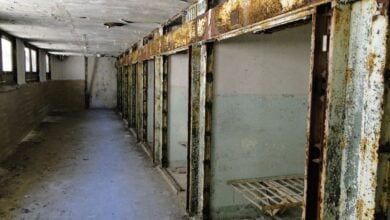
The RSF reportedly treated anyone who had lost a limb as an injured soldier affiliated with the Sudanese Armed Forces or joint forces, leading to executions carried out in front of civilians. HRW also documented instances of detention of people with disabilities for several days, with some released only after families paid large ransoms.
Survivors described being beaten and whipped during interrogations, alongside widespread looting of wheelchairs, hearing aids, and mobility devices, forcing some families to leave relatives behind during shelling. Displaced persons now face insufficient medical care, rehabilitation, and psychological support, while basic facilities remain largely inaccessible to those with disabilities.
HRW emphasized that this is the first documented instance of abuses of this scale directly targeting people because of their disabilities. The organization urged the international community to impose sanctions on those responsible and take immediate measures to protect civilians, especially the most vulnerable, in conflict zones