
India: Three-Day Scientific Workshop Explores Life, Oppression of Lady Fatima al-Zahra in Mumbai
India: Three-Day Scientific Workshop Explores Life, Oppression of Lady Fatima al-Zahra in Mumbai
——————————————
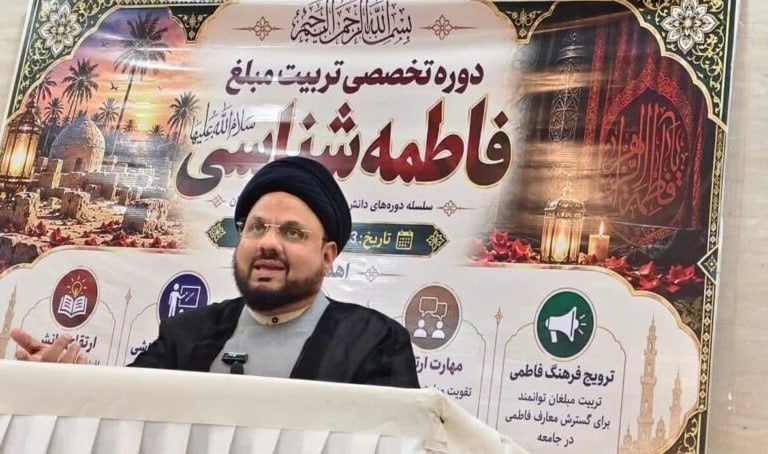
A specialized three-day scientific and research workshop titled “Getting to Know Lady Fatima al-Zahra” was held in Mumbai, India, bringing together scholars, religious speakers, and researchers to deepen understanding of her life, status in Islam, and legacy.
The workshop explored the Quranic, jurisprudential, historical, and educational dimensions of the life of Lady Fatima al-Zahra, peace be upon her, with sessions examining Islamic sources and historical narrations related to her biography, teachings, and oppression.
The events were hosted at the Khoja Shia Ithna-Asheri Jamaat Mosque in Mumbai and featured a series of lectures and scholarly discussions addressing different aspects of the life of Lady Fatima al-Zahra, peace be upon her.
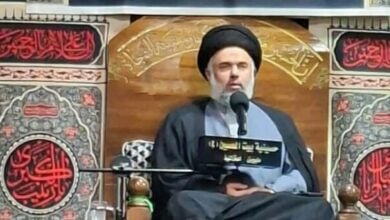
Among the participants was Sayyid Abul Qasim Razavi, Friday prayer leader in Melbourne, Australia, who delivered a lecture on her religious and historical status. His presentation focused particularly on the issue of Fadak and its Quranic, jurisprudential, and historical dimensions.
Razavi emphasized the importance of relying on credible Islamic sources and applying rigorous scholarly methods when examining historical accounts and events associated with her life. Such an approach, he noted, helps develop a deeper and more accurate understanding of her biography and positions.
The workshop’s academic sessions also examined the will of Lady Fatima al-Zahra, peace be upon her, the circumstances surrounding her nighttime burial, and historical questions concerning the location of her sacred grave.
Participants reviewed narrations and Islamic sources addressing these subjects, discussing their historical significance and their place within the broader study of the Fatimid heritage.
The sessions also explored the spiritual, ethical, and educational dimensions of the Fatimid school, particularly its teachings on family life, raising future generations, and strengthening Islamic values.
Speakers highlighted the relevance of her example to contemporary religious and social life, emphasizing the importance of drawing on her teachings to promote religious awareness and ethical development.
Another part of the workshop was devoted to explaining the visitation text of Lady Fatima al-Zahra, peace be upon her, and examining its doctrinal and spiritual meanings. Participants also discussed Islamic sources documenting her virtues, elevated status, and oppression.