
New Report Warns of Widespread Environmental Contamination Across Gaza
New Report Warns of Widespread Environmental Contamination Across Gaza
————————————————————
A new report by Oxfam International and the Conflict and Environment Observatory has warned that Gaza faces widespread environmental contamination, with potential long-term consequences for public health, access to clean water and reconstruction.
Published on 23 November, the report found indicators of potential contamination across more than 99 per cent of the Gaza Strip. Its analysis identified risks involving heavy metals, explosive residues, asbestos from destroyed buildings, dioxins and biological pollutants affecting air, soil and water.
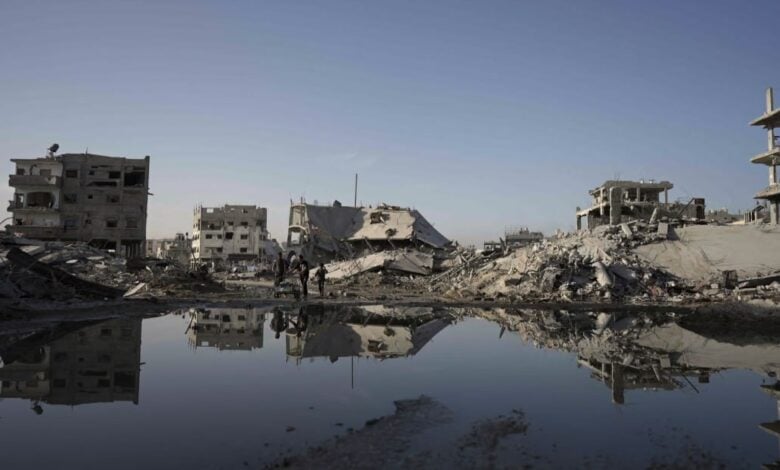
The assessment also highlighted the deterioration of Gaza’s water and sanitation systems. According to the report, only 19 per cent of sewage pumping stations remain functional, while approximately 30 per cent of the wastewater network retains some operational capacity. An estimated 40,000 cubic metres of untreated sewage enter the Mediterranean Sea each day.
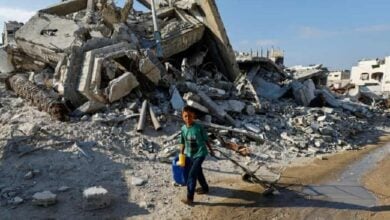
The United Nations Environment Programme estimates that the conflict has generated more than 61 million tonnes of debris across the territory, creating additional risks from hazardous materials and unexploded ordnance.
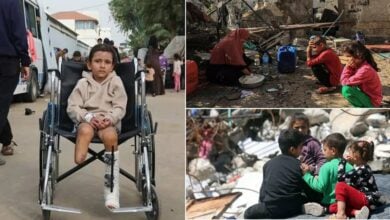
The report, based on satellite imagery, remote sensing and scientific analysis, warns that children and pregnant women face particular health risks. However, restrictions on access and testing equipment have prevented a comprehensive field-based assessment of the contamination.
Oxfam and CEOBS say environmental assessment, clearance and remediation must be incorporated into Gaza’s reconstruction plans to prevent further harm to civilians and future generations.