

Rights Groups Warn of Growing Pressure on Muslims and Other Minorities in India
Rights Groups Warn of Growing Pressure on Muslims and Other Minorities in India
——————————————–
Concerns over voter registration, citizenship verification and the 2027 Census have intensified as international human rights organisations warn of policies that could disproportionately affect India’s Muslim population.
India is facing renewed international criticism over the treatment of religious minorities, particularly Muslims, following allegations that voter registration revisions and preparations for the 2027 national Census could facilitate discrimination, exclusion and potential statelessness.
On November 20, 2026, Reuters reported that the US Commission on International Religious Freedom (USCIRF) accused Indian authorities of targeting religious minorities through voter list revisions. According to the report, approximately 130 million names were removed from electoral rolls, with data suggesting that Muslims were disproportionately affected. The commission also alleged that some Muslim citizens were being labelled foreigners and deported. India’s Election Commission maintains that the removals concern duplicate, deceased, relocated and otherwise ineligible voters, while allowing appeals against erroneous exclusions.
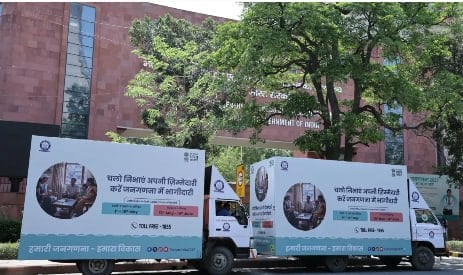
Separately, the South Asia Justice Campaign (SAJC) raised concerns with the UN Office of the High Commissioner for Human Rights in a November 14 submission, warning that India’s upcoming Census 2027, a government demographic committee and existing citizenship-related initiatives could pave the way for a nationwide National Register of Citizens (NRC).
The organisation questioned the collection of sensitive information, including religion, parents’ names, places of birth and identity document numbers. It also warned that a government committee examining demographic changes attributed to illegal immigration could subject particular religious communities, especially Muslims, to increased scrutiny.
The concerns are reinforced by the experience of Assam, where approximately 1.9 million people were excluded from the final NRC in 2019, leaving many facing prolonged uncertainty over their citizenship status.
The reports also highlight broader concerns over anti-Muslim rhetoric, discriminatory citizenship legislation, demolitions of Muslim-owned properties and restrictions affecting religious minorities.
India’s government rejects allegations of religious discrimination, while international rights advocates warn that the cumulative impact of these policies threatens equality, privacy, religious freedom and the security of minority communities.