
Record 589 Million Children Living in Conflict Zones Worldwide, NGO reports
Record 589 Million Children Living in Conflict Zones Worldwide, NGO reports
—————————————————————–
A record 589 million children, representing 23.4% of the world’s child population, were living in conflict zones in 2025, according to a new Save the Children report.
The figure is the highest recorded since 1990, with Africa and the Middle East among the regions most severely affected and the occupied Palestinian territories accounting for nearly one-third of all UN-verified grave violations against children.
The findings were published in the organization’s latest report, Stop the War on Children: Changing the Odds, released on November 19, 2026. The research draws on data from the Peace Research Institute Oslo (PRIO), which defines conflict zones as areas within 50 kilometres of recorded armed-conflict incidents.
The number of children exposed to conflict has increased by more than 50% over the past decade, rising from 378 million in 2015 to 589 million in 2025. The proportion of children living in conflict zones has also more than doubled since the mid-1990s, when it stood at approximately 10%.
Africa accounts for the largest number of children living in conflict zones, with approximately 260 million, representing 44% of the global total. This marks an increase from 218 million in 2024.
The Middle East has the highest proportion of children exposed to conflict relative to its child population, with approximately 40.2% living in conflict zones. Africa follows closely at 39.2%.
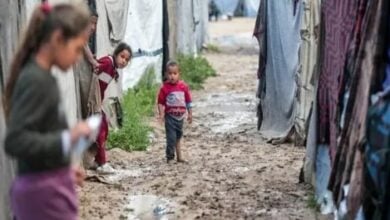
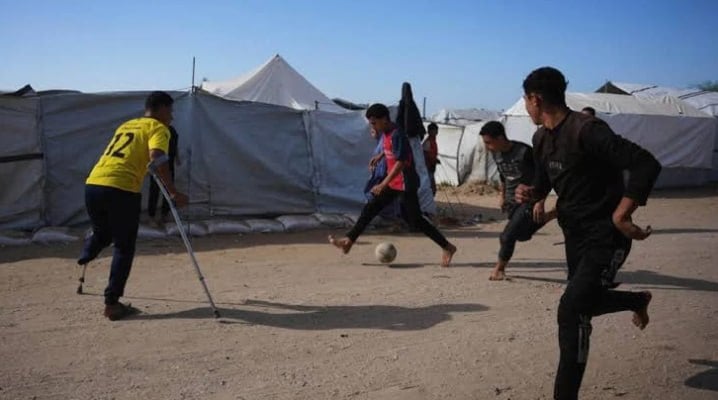
The report highlights the particularly severe impact of the conflict on Palestinian children. According to the United Nations’ annual report on children and armed conflict, 12,445 grave violations were verified against children in Israel and the occupied Palestinian territories during 2025, accounting for nearly one-third of the 38,967 violations documented worldwide.
These violations include the killing and maiming of children, recruitment and use of children by armed groups, sexual violence, abductions, attacks on schools and hospitals, and the denial of humanitarian access.