

Drone Strikes Account for Two-Thirds of Child Casualties in Sudan
UN: Drone Strikes Account for Two-Thirds of Child Casualties in Sudan
——————————————-
Around 270 children were killed or injured in drone attacks between January and September 2026, as escalating strikes on civilian infrastructure deepen the humanitarian crisis across Sudan, UNICEF warns.
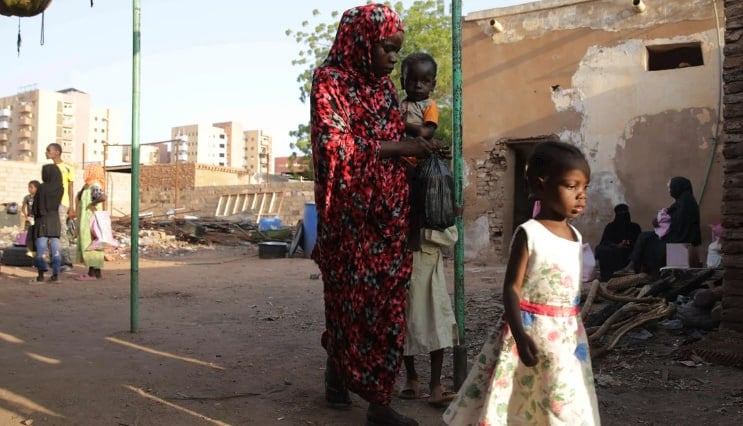
The United Nations has warned that armed drone attacks are responsible for approximately two-thirds of all child casualties recorded in Sudan during the first nine months of 2026, highlighting the growing impact of aerial warfare on civilians amid the country’s ongoing conflict.
According to UNICEF, 410 children were killed or injured between January and September, with an estimated 270 casualties attributed to armed drones. Speaking to reporters in Geneva on Tuesday, UNICEF spokesperson James Elder said drones were bringing the war to areas previously considered safe, threatening children’s access to security, education and clean water.
The conflict between Sudan’s paramilitary Rapid Support Forces (RSF) and the regular army, which erupted in April 2023, has caused widespread destruction and triggered severe displacement and hunger crises. Both sides have increasingly relied on drones capable of striking targets hundreds of kilometres away. The United Nations estimates that more than 1,100 people were killed in drone attacks across Sudan during the first half of 2026.
UNICEF also warned that attacks on civilian infrastructure are worsening the humanitarian situation. Elder reported that up to 15 drone strikes targeted power stations across Sudan in October alone. Damage to electricity facilities disrupts water pumping and treatment systems, forcing families to rely on expensive and potentially unsafe water sources and increasing the risk of diseases such as cholera.
The agency further estimates that approximately 825,000 children under the age of five could suffer from severe acute malnutrition in 2026, amid continuing conflict and drought.
UNICEF and its humanitarian partners have provided healthcare and vaccinations to millions of children and supported the repair and installation of solar-powered water systems. However, Elder warned that humanitarian operations are under extreme pressure, noting that UNICEF’s response in Sudan is currently only one-third funded.