
Former Italian Interior Minister’s Remarks on Hijab Resurface, Rejecting Calls for a Ban
Former Italian Interior Minister’s Remarks on Hijab Resurface, Rejecting Calls for a Ban
———————————————-
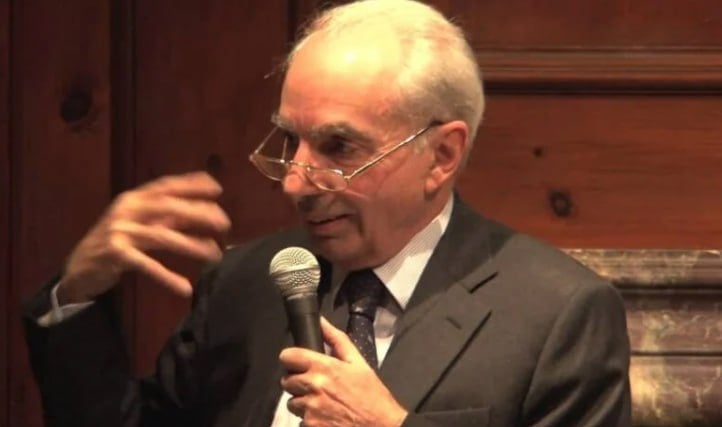
Previous statements by former Italian Interior Minister Giuliano Amato opposing a general ban on the Islamic hijab have resurfaced, highlighting his position that Muslim women should have the freedom to choose whether to wear head coverings based on religious belief or personal choice.
Amato, who served as Italy’s interior minister in Romano Prodi’s government from 2006 to 2008, stated that he did not support banning the hijab, arguing that freedom of religious expression should be respected.
In remarks made in 2006, Amato pointed out that head coverings also exist within Christian traditions in Italy, noting that Catholic women and religious sisters wear veils in churches. He said there was no reason to prevent Muslim women from expressing their religious identity through the hijab, while distinguishing between the hijab and full-face coverings such as the burqa, which he opposed.
In September 2007, Amato reiterated his position, rejecting the idea of a blanket prohibition on head coverings in public spaces. Referring to Christian nuns who wear religious veils, he questioned the basis for allowing one religious group to wear head coverings while restricting another.
Amato argued that a general law banning head coverings could raise concerns over discrimination based on religious affiliation and risk imposing a specific cultural model on others.
Some Arabic-language posts circulating online have attributed additional statements to Amato linking his position directly to images of the Virgin Mary wearing a veil in Christian art. However, available Italian reports from the time of his remarks do not document that specific wording. They do confirm his references to nuns and Catholic women as part of his argument in favor of allowing Muslim women to wear the hijab.
Amato’s earlier comments have gained renewed attention amid continuing debates across several European countries over religious symbols, clothing regulations, and the balance between public rules and freedom of religion and identity expression.