
HR Groups Urge UN to Maintain Focus on Afghan Women, Minorities and Accountability
HR Groups Urge UN to Maintain Focus on Afghan Women, Minorities and Accountability
—————————-
Ahead of the Human Rights Council’s 63rd session, a coalition of civil society organizations urged the body to continue dedicated reporting on the situation of Afghan women and girls and to ensure their direct participation in discussions about their rights.
The joint letter, supported by groups including Amnesty International, Human Rights Watch, the World Organisation Against Torture, the Asian Forum for Human Rights and Development, and the International Service for Human Rights, said that five years after the Taliban returned to power, Afghanistan’s human rights situation continues to deteriorate.
The organizations highlighted reports of arbitrary arrests, prolonged detention, torture, enforced disappearances and restrictions affecting journalists, human rights defenders, protesters, former government officials and perceived critics of the Taliban. They also raised concerns over corporal punishment and executions following proceedings they said often lack fair trial guarantees.
The groups called for a separate UN report on ethnic, religious and linguistic minorities and marginalized communities, including Hazaras, Ismaili Shiites, people with disabilities and LGBTQI+ individuals, followed by a dedicated dialogue on their situation.
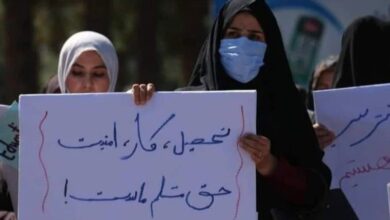
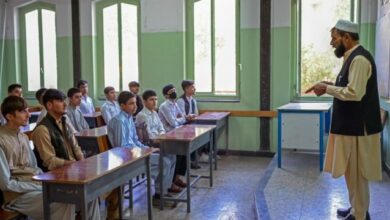
The letter described restrictions on Afghan women and girls as a central part of the country’s human rights crisis, noting continued bans on girls’ secondary and university education and limits on women’s employment, movement and participation in public life.
The organizations also called for the full implementation of the Independent Investigative Mechanism for Afghanistan, established by the Human Rights Council in 2025 to support accountability for serious human rights violations.
They urged sustained international attention to Afghanistan’s humanitarian crisis, including risks faced by returnees from neighboring countries and alleged violations linked to cross-border hostilities. The groups emphasized that diplomatic engagement with the Taliban should not lead to the normalization of human rights violations.