
UNICEF Warns Climate Disasters Threaten Education of Millions of Girls Worldwide
UNICEF Warns Climate Disasters Threaten Education of Millions of Girls Worldwide
———————————-
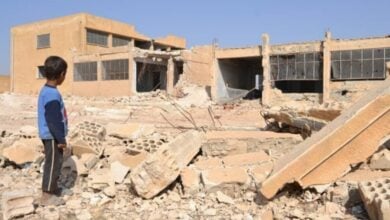
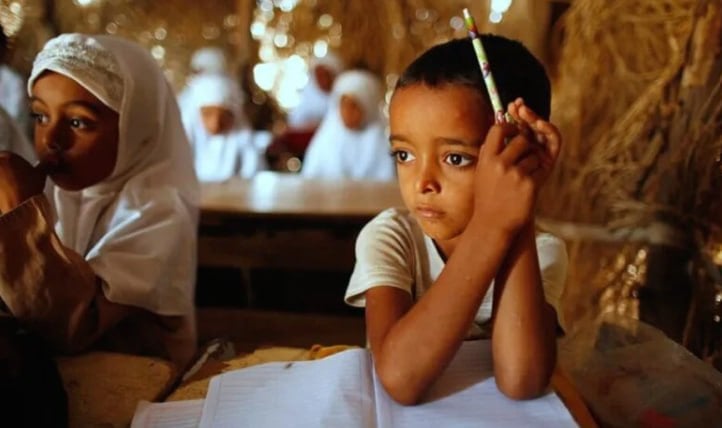
UNICEF has warned that climate-related disasters are increasingly disrupting children’s education worldwide, with girls facing greater risks of dropping out of school due to extreme weather events such as heatwaves, storms, floods, and wildfires.
In a recent analysis, the UN children’s agency said climate-related disasters affected the education of around 171 million students across 106 countries and territories over the past year, equivalent to about one in every ten students globally.
UNICEF said girls are particularly vulnerable when disasters damage schools, suspend classes, or force communities to shift to remote learning. Economic hardship, displacement, and the loss of household resources can also increase responsibilities placed on girls, including caring for family members and collecting water, reducing their ability to continue their education.
The agency warned that climate crises may also increase the risk of child marriage, making it more difficult for some girls to return to school even after educational services resume.
According to UNICEF, storms were the leading cause of education disruption last year, affecting about 109 million students, while floods impacted at least 70 million people and extreme heat disrupted learning for nearly 50 million children and young people.
The organization estimates that nearly one billion children — almost half of all children worldwide — live in countries facing very high risks from climate and environmental shocks, with many affected children concentrated in low-income and lower-middle-income countries.
UNICEF cautioned that lost learning opportunities and declines in literacy and numeracy skills could lead to future economic losses of at least $200 billion and deepen existing inequalities.
The agency called for stronger education systems capable of withstanding climate emergencies and ensuring learning continues during crises, with special attention to preventing girls from permanently losing access to education.