
Grand Ayatollah Shirazi: Reviving Abandoned Lands Could Help Address Housing, Unemployment and Poverty Crises
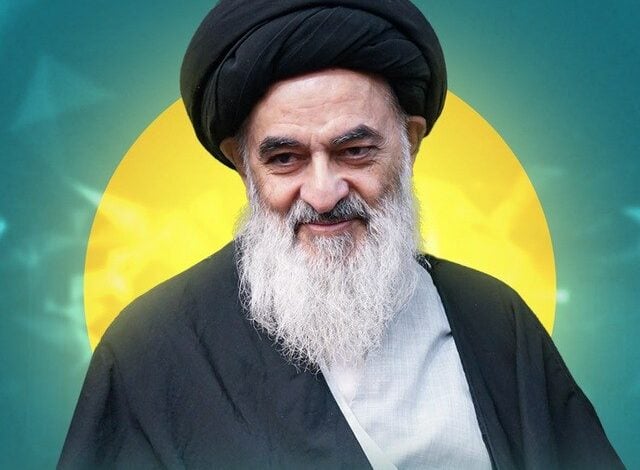
Grand Ayatollah Shirazi: Reviving Abandoned Lands Could Help Address Housing, Unemployment and Poverty Crises
—————————————–
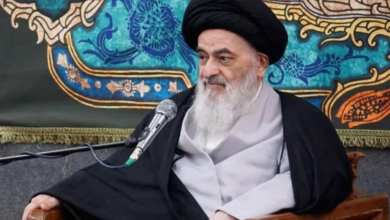
Grand Ayatollah Sayyid Sadiq Al-Husseini Al-Shirazi has emphasized that implementing the Islamic principle of reviving unused and abandoned lands could contribute to addressing several economic and social challenges facing modern societies, particularly housing shortages, unemployment, and poverty.
The remarks were made as part of his guidance series titled “Nibras Al-Ma’rifa” (The Beacon of Knowledge), in which he cited a narration attributed to the Holy Prophet, peace be upon him and his family: “Whoever revives a dead land, it belongs to him, by the decree of God and His Messenger.” He described the principle as an important Islamic solution that could improve people’s living conditions if properly implemented.
His Eminence noted that large areas of land in many countries, particularly in Muslim-majority nations, remain barren and unused, while many people continue to face difficulties securing housing, employment, and the basic requirements of family life.
He said that allowing individuals to develop unused lands through housing construction, agriculture, orchards, and productive projects could create broad employment opportunities, reduce poverty and unemployment, and strengthen economic self-sufficiency.
The religious authority stressed that governments should focus on organizing and managing the development of such lands, protecting people’s rights, and preventing violations, rather than leaving large areas of potentially productive land unused.
He also linked the housing crisis to wider social challenges, saying that high housing costs and young people’s inability to secure suitable homes can affect marriage, family stability, and contribute to economic and psychological difficulties.
Referring to the early Islamic period, Grand Ayatollah Shirazi said historical sources, despite recording many challenges faced by Muslims at the time, did not indicate a housing crisis comparable to those experienced by modern societies. He attributed this in part to policies that encouraged the cultivation and development of unused lands.
He concluded by calling for greater attention to the teachings of the Quran, the tradition of Holy Prophet, peace be upon him and his family, and the guidance of the Ahl al-Bayt, peace be upon them, saying that Islamic principles, when properly applied, can offer practical approaches to addressing contemporary economic and social challenges.