

Muslims in Germany Face Dual Reality of Integration and Rising Anti-Muslim Sentiment
Muslims in Germany Face Dual Reality of Integration and Rising Anti-Muslim Sentiment
——————————–
Germany’s Muslim community continues to expand its social and religious presence while facing growing concerns over Islamophobia, far-right rhetoric, and anti-Muslim attacks, according to researchers and observers of religious affairs in the country.
Germany has been one of Europe’s main destinations for Muslim migrants for decades, with religious and cultural diversity increasing significantly, particularly following the migration and refugee wave of 2015.
Estimates suggest that Germany’s Muslim population ranges between 5.3 and 6.9 million people, including diverse communities such as Sunnis, Shia Muslims, Alevis, Sufis, and Ismailis. Studies on social integration indicate that around 79% of Muslims are well integrated into German society, with growing participation in education, employment, civil society, and political life.
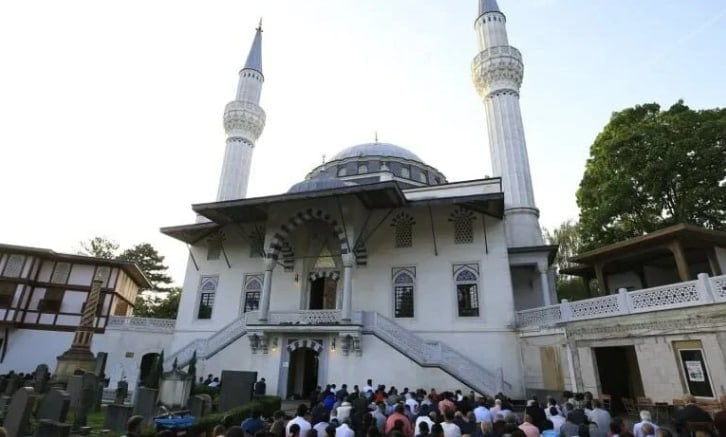
The country is also home to approximately 2,866 mosques, prayer spaces, and Islamic centers, which serve religious, social, and cultural functions within local communities.
However, this growing presence has coincided with increased concerns over discrimination and anti-Muslim hostility. Authorities recorded around 450 anti-Muslim attacks in 2021, including incidents targeting individuals, mosques, and Islamic institutions, as well as cases involving threats and verbal abuse.
Researchers say the rise of far-right movements remains a major concern for many Muslims, particularly as political debates increasingly focus on immigration, Islam, and national identity. The Alternative for Germany (AfD) has been among the parties criticized for its hardline positions on immigration and Islam, fueling debate over the impact of far-right politics on religious minorities.
Muslim organizations and civil society groups have called for stronger cooperation between Islamic institutions, greater public engagement, and expanded legal and social efforts to combat hate crimes and religious discrimination.