
Austria’s Headscarf Ban for Girls Under 14 Faces First Test as Schools Reopen
Austria’s Headscarf Ban for Girls Under 14 Faces First Test as Schools Reopen
————————————–
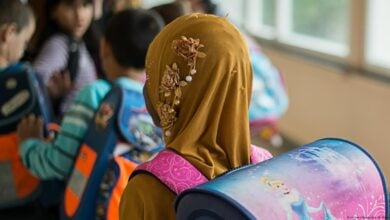
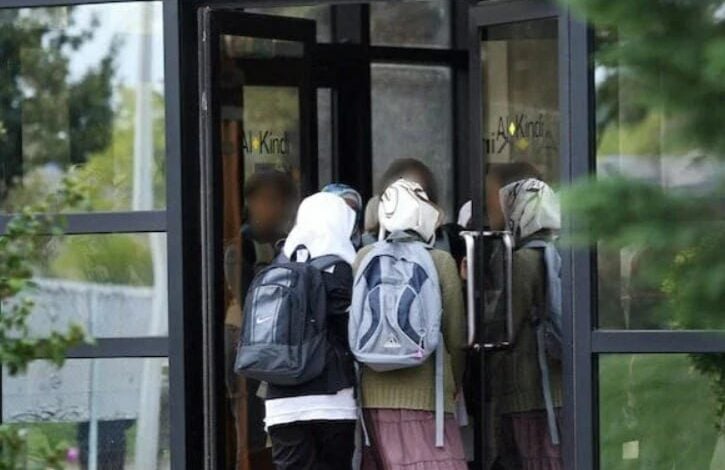
Austria’s new ban on wearing headscarves for girls under the age of 14 in schools has entered its first practical test as the academic year began in Vienna, Lower Austria, and Burgenland, amid opposition from Muslim representatives and plans to challenge the law before the Constitutional Court.
The legislation was introduced by Austria’s three-party centrist coalition government, which argued that the measure aims to protect girls’ freedom. It was approved by parliament in December with support from the far-right Freedom Party (FPÖ), while the left-wing Green Party was the only parliamentary group to oppose it.
The Islamic Religious Community in Austria (IGGÖ), the country’s officially recognized representative body for Muslims, rejected the law, saying it violates fundamental rights. The organization announced plans to file a constitutional challenge after previous attempts to contest the measure were dismissed in July because the law had not yet taken effect.
The new legislation has revived debate over a previous headscarf ban introduced in 2019 for girls under the age of 10. In 2020, Austria’s Constitutional Court ruled that the earlier law was discriminatory against Muslims and conflicted with the state’s obligation to maintain religious neutrality.
Under the current law, schools must first hold discussions with students who violate the ban before penalties can be imposed. Fines range from €150 to €800 for repeated violations.
Education Minister Christoph Wiederkehr said the government had made extensive efforts to ensure the law complied with constitutional requirements but acknowledged that its final legal status would be determined by the courts.
The measure has drawn criticism from Muslim organizations and student groups, with left-wing student associations announcing protests against the policy. Supporters argue that the ban promotes gender equality and protects young girls, while opponents say it unfairly targets Muslim communities and restricts religious freedom.