
Strong El Niño Raises Flooding and Food Security Concerns Across East Africa and Asia
Strong El Niño Raises Flooding and Food Security Concerns Across East Africa and Asia
—————————————–
A rapidly strengthening El Niño weather pattern is threatening to worsen flooding, disease outbreaks and food insecurity across vulnerable regions of East Africa and Asia, humanitarian organizations have warned.
The International Rescue Committee (IRC) said countries including Somalia, Kenya, Uganda, Bangladesh, Pakistan and Afghanistan face heightened risks as communities already affected by conflict, drought and humanitarian crises have limited capacity to respond to new climate shocks.
The US Climate Prediction Center reported that El Niño has an 81 percent chance of becoming one of the strongest events since 1950, with its peak expected between October and December 2026. The World Meteorological Organization (WMO) also confirmed that El Niño conditions have developed and are expected to intensify between July and September.
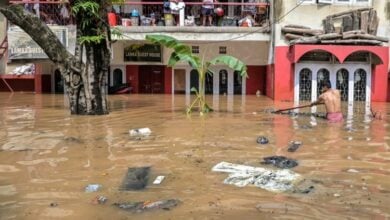
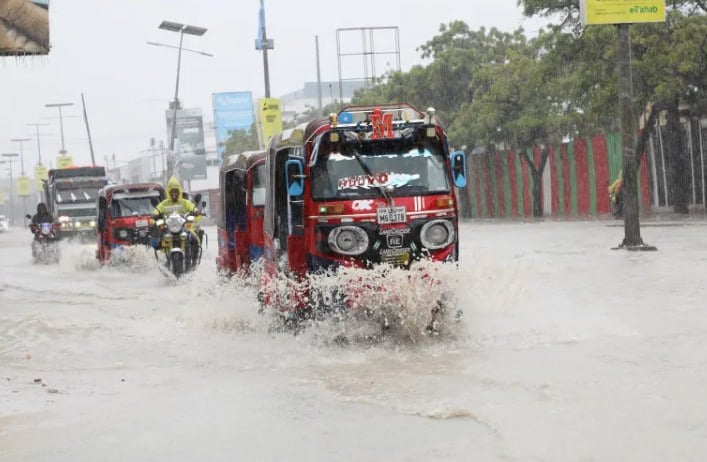
In East Africa, the weather pattern is typically associated with increased rainfall during the October–December season. Somalia has already experienced repeated flooding, and early warning agencies have warned that severe floods could trigger famine risks in southern areas if conditions resemble major flood events recorded in 1997 and 2023.
Kenya has activated disaster preparations, while Bangladesh is already facing the impact of heavy rains, with floods and landslides in Rohingya refugee camps in Cox’s Bazar reportedly killing at least 15 people and displacing more than 10,000.
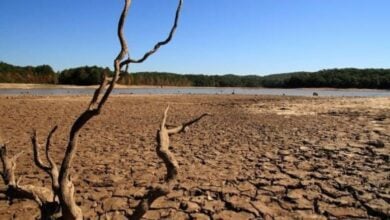
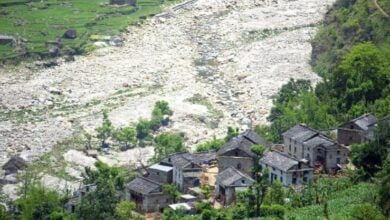
Pakistan faces a combination of drought risks and possible flash floods caused by glacier melt in northern regions. The World Bank has warned that a severe El Niño could reduce rice production significantly in parts of South Asia and East Africa, increasing pressure on food supplies and prices.
Aid agencies are calling for urgent funding for early preparedness measures, warning that delayed action could increase the humanitarian impact of the climate event.