
Rising Anti‑Muslim Tensions in Japan as Nationalist Opposition Grows Against New Mosque in Fujisawa
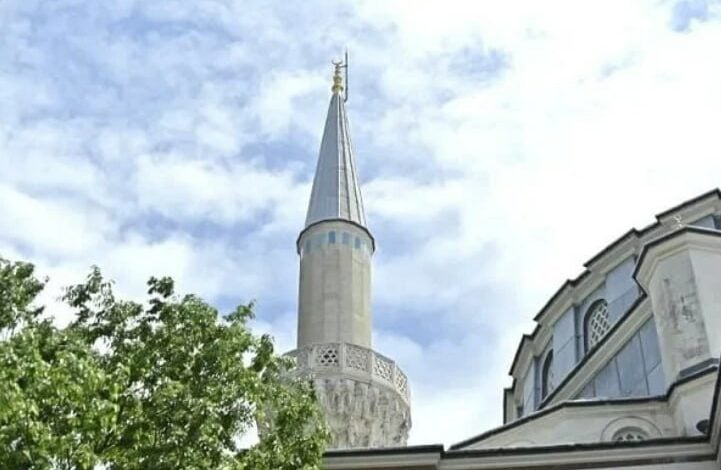
Rising Anti‑Muslim Tensions in Japan as Nationalist Opposition Grows Against New Mosque in Fujisawa
——————————————
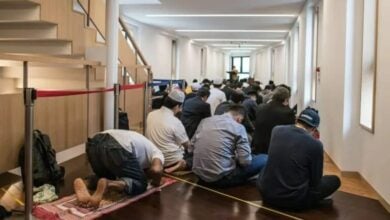
Plans to build a new mosque in Fujisawa, a city southwest of Tokyo, have sparked growing controversy and highlighted rising tensions over religion and cultural change in Japan, officials and media report.
The project—intended to serve the needs of the city’s expanding Muslim community—has faced increasing opposition from nationalist and anti‑immigration groups, raising concerns about Islamophobia and social division.
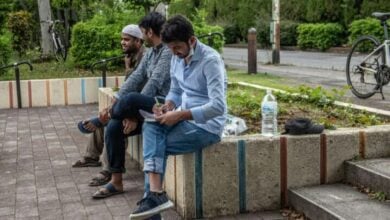
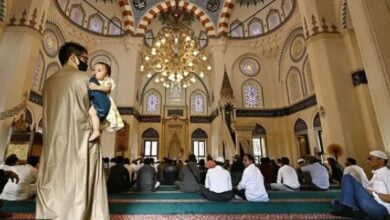
The mosque initiative was launched in 2021 when local Muslim residents formed a group to purchase land for a place of worship to be completed by 2027, aimed at meeting the needs of a growing Muslim population in the region. The estimated number of Muslims in Japan has risen significantly in recent decades, contributing to wider discussions about multiculturalism and immigration policy.
However, the proposal has become a flashpoint for political and social opposition. Right‑wing activists and nationalist figures have criticized the project, circulating unfounded claims on social media about the mosque and its future activities. Some protests have drawn hundreds of participants, and reports indicate that the Fujisawa city office has received thousands of complaints against the plan.
According to international reporting, the controversy reflects a broader unease around Japan’s demographic challenges—such as a declining population and labor shortages that have prompted increased reliance on foreign workers—and cultural change tied to a growing foreign population. Critics of the mosque project have used misinformation and anti‑foreign narratives to fuel opposition, including exaggerated claims about Islamic burial sites and cultural impact, though local organizers have denied these allegations.
Muslim community leaders and project organizers have emphasized that the mosque will comply with Japanese laws and regulations and is intended to be a place for worship, community support and peaceful coexistence. They have also held informational meetings with residents to address concerns.