
UNESCO grants enhanced protection to cultural sites in Middle East amid war damage concerns
UNESCO grants enhanced protection to cultural sites in Middle East amid war damage concerns
———————————–
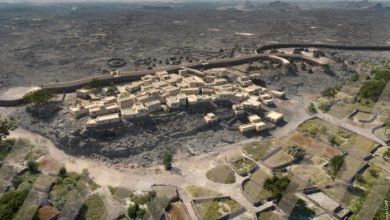
The UNESCO has placed 39 cultural heritage sites in Lebanon under “enhanced protection,” citing growing concerns over potential damage from ongoing military activity in the Middle East.
The decision follows a formal request from Lebanese authorities and comes amid reports of increasing threats to historically significant locations since the outbreak of regional conflict in late February.
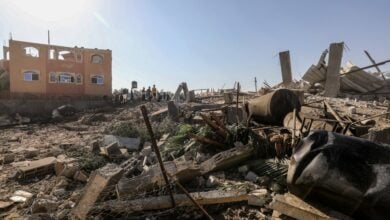
UNESCO said several cultural sites across countries including Iran, Israel, and Lebanon have either been damaged or targeted in recent weeks. The agency reported that more than 20 sites of cultural importance—some listed as World Heritage sites—have been affected.
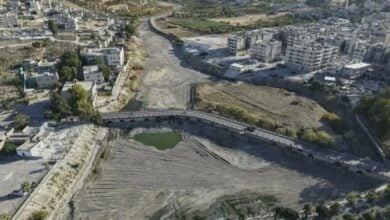
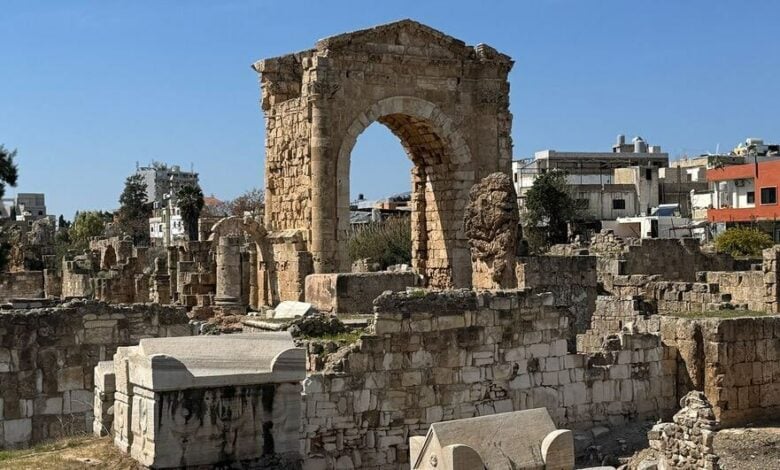
The organisation confirmed verified damage at five locations, including historic landmarks in Iran and the ancient city of Tyre. It warned that cultural heritage across the region faces increasing risks as hostilities continue.
According to UNESCO, “enhanced protection” represents the highest level of international legal safeguarding under the Hague Convention for the Protection of Cultural Property. The designation grants special immunity to sites of exceptional universal value, prohibiting their use for military purposes or targeting during conflict.
The agency stressed that violations of this protection could constitute war crimes under international law, placing responsibility on all parties to safeguard cultural, educational, and scientific institutions.
In Lebanon, UNESCO said it is working closely with national authorities, including the Directorate General of Antiquities, to implement emergency measures such as risk preparedness plans, staff training, secure storage arrangements, and the marking of protected sites with the Blue Shield emblem.
UNESCO emphasized that protecting cultural heritage during conflict is essential not only for preserving historic landmarks but also for safeguarding cultural identity and supporting post-conflict recovery and reconstruction.