
India Marks 107th Anniversary of Jallianwala Bagh Massacre with Focus on Shared Sacrifice
India Marks 107th Anniversary of Jallianwala Bagh Massacre with Focus on Shared Sacrifice
————————————–
India marked the 107th anniversary of the Jallianwala Bagh massacre, recalling one of the deadliest episodes of British colonial rule and highlighting the joint sacrifices of Hindus, Muslims, and Sikhs in the independence movement.
The massacre occurred on April 13, 1919, in Amritsar, when troops led by Reginald Dyer opened fire on thousands of unarmed civilians gathered in protest against the Rowlatt Act. The official inquiry by the Hunter Commission reported 381 people killed, including men, women, and children, though other estimates suggest a significantly higher toll.
Historical records show the victims reflected India’s diverse society: 222 Hindus, 96 Sikhs, and 63 Muslims were among those killed, underscoring cross-community participation in anti-colonial resistance. Many victims were ordinary civilians, including laborers, traders, and young people, who had gathered peacefully in the enclosed garden.
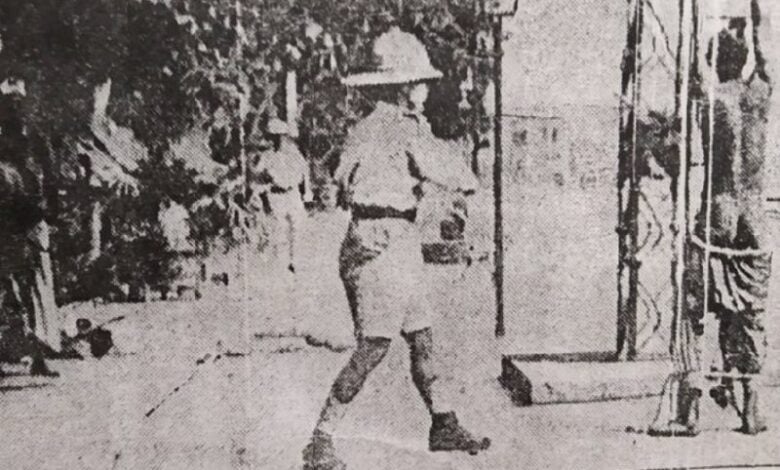
The crackdown extended beyond the shooting, with British authorities imposing harsh measures across Punjab, including public floggings and severe restrictions on civilians. Archival evidence also indicates that aerial bombardment was used in parts of the region during the unrest.
The massacre triggered widespread outrage and became a turning point in India’s independence movement. Rabindranath Tagore renounced his knighthood in protest, while Muhammad Ali Jinnah resigned from the Imperial Legislative Council.
The anniversary also recalls Udham Singh, who assassinated Michael O’Dwyer in 1940, holding him responsible for the events.
Commemorations this year emphasized both the scale of the tragedy and its enduring legacy as a symbol of unity and resistance against colonial rule.