
US-Iran Talks in Islamabad End Without Breakthrough, Ceasefire Remains Fragile
US-Iran Talks in Islamabad End Without Breakthrough, Ceasefire Remains Fragile
————————————–
High-level talks between the United States and Iran concluded in Islamabad without agreement, raising concerns over the stability of a recently brokered ceasefire following weeks of regional conflict.
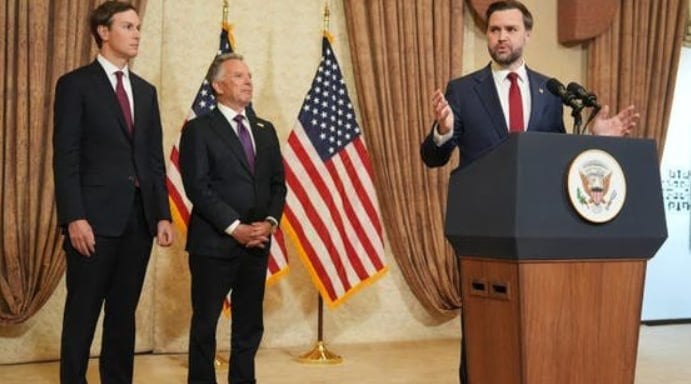
The negotiations, held over roughly 21 hours, marked the first direct engagement between the two sides in more than a decade. Delegations led by U.S. Vice President JD Vance and Iranian Foreign Minister Abbas Araghchi failed to bridge key differences, with both sides blaming each other for the impasse.
Washington said Tehran refused to commit to halting its nuclear ambitions, a central U.S. demand. Iranian officials, meanwhile, described U.S. conditions as “excessive,” citing disagreements over sanctions relief, regional security issues, and access to strategic waterways.
Among the main sticking points were Iran’s nuclear program and the status of the Strait of Hormuz, a critical global energy route. Broader regional tensions, including hostilities involving Iran-backed groups, also complicated the discussions.
The talks followed a temporary ceasefire reached earlier in April after a conflict that reportedly began in late February and has caused significant casualties and disruption to global oil markets.
Officials from Pakistan, which facilitated the negotiations, urged both sides to preserve the ceasefire and continue diplomatic efforts.