
Bangladesh Media Community Demands Protection Amid Escalating Attacks on Journalists
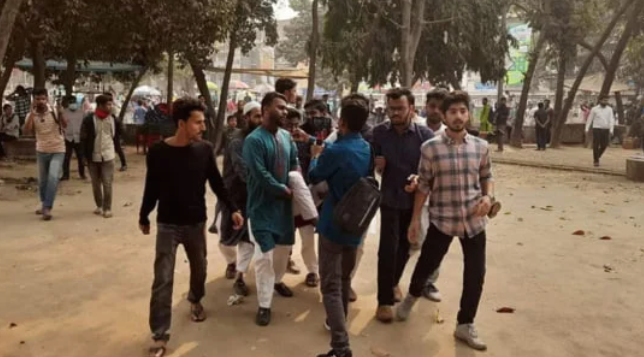
Journalists, editors and media owners across Bangladesh have intensified calls for government action to protect press freedom after a series of mob attacks, threats, and organised violence against major media outlets and individual reporters, raising alarm over the safety of the press ahead of the February 2026 general election.
At a high-profile event titled “Media Convention 2026” held in Dhaka on January 17, top editors and media professionals condemned what they described as unprecedented attacks on freedom of expression and the democratic role of the press. Organised by the Editors’ Council and the Newspaper Owners’ Association of Bangladesh (NOAB), the convention brought together journalists from across the country to call for national unity in defending independent journalism.
Speakers at the convention criticised authorities for failing to protect newsroom staff from recent episodes of violence, including the December 2025 mob assaults on the offices of Prothom Alo and The Daily Star in Dhaka, in which buildings were vandalised and set on fire, forcing staff to seek refuge and temporarily disrupting publication. Participants described such incidents as direct threats not only to media freedom but to democratic values in the country.
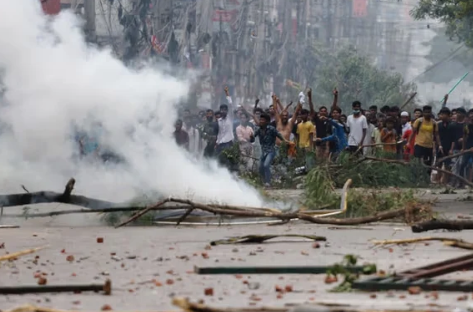
Media leaders and journalists also pointed to growing intimidation beyond physical attacks, noting rising threats, harassment and a deteriorating environment for press work as political tensions rise. Many journalists fear increased danger while covering election-related events, with recent surveys showing a majority expecting physical attacks or harassment during their reporting duties.
International press freedom watchdogs and coalitions have echoed these concerns, urging the Bangladeshi government to ensure immediate protection for media professionals, investigate violent incidents transparently, and uphold constitutional and international standards for free expression.
The escalating threats have drawn widespread condemnation domestically and abroad, highlighting the urgent need for structural protections for journalists in a period marked by heightened political sensitivities and public scrutiny.