
Syria: Calls Grow for Accountability After Sweida Clashes
Syrian government forces as well as local Druze and Bedouin armed groups committed serious human rights abuses during violent clashes in Syria’s southern Sweida governorate in July 2025, according to findings by Human Rights Watch. The organization says the failure to hold perpetrators accountable has deepened displacement, humanitarian suffering, and communal tensions, underscoring the urgent need for impartial investigations and security sector reform.
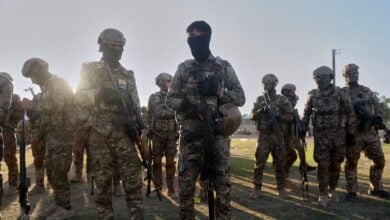
The fighting began after a local confrontation escalated into several days of armed clashes involving government security forces and allied armed groups. Human Rights Watch reports that all sides were responsible for grave violations, including summary killings, abductions, looting, and attacks on civilians and civilian property. International humanitarian law prohibits such acts, which may amount to war crimes.
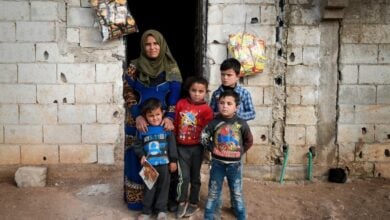
The clashes led to widespread civilian harm and mass displacement. United Nations estimates indicate that more than 187,000 people were forced from their homes by late July, creating acute shortages of food, shelter, and medical care. Aid delivery was further disrupted by insecurity, access restrictions, and the abduction of humanitarian workers, although some constraints were later eased.
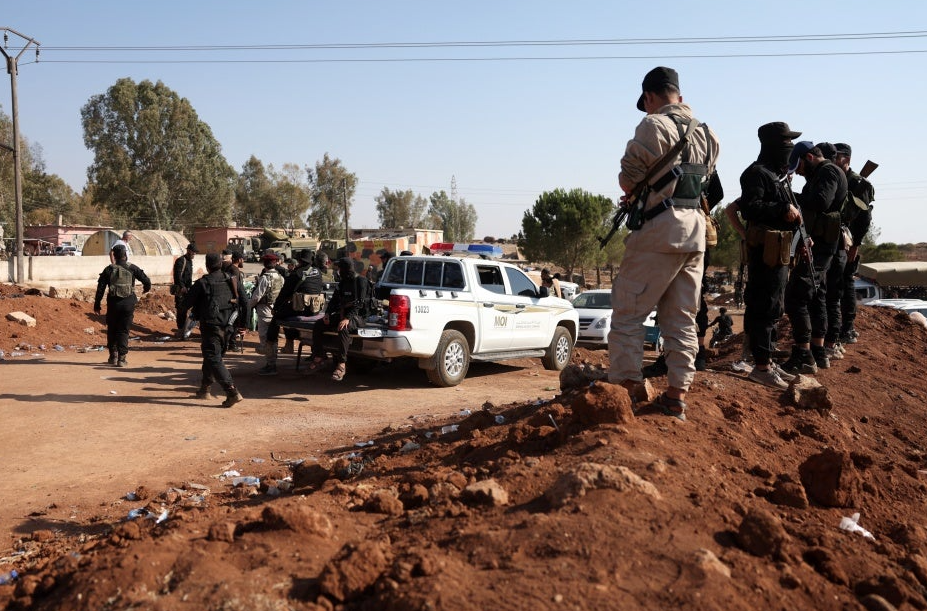
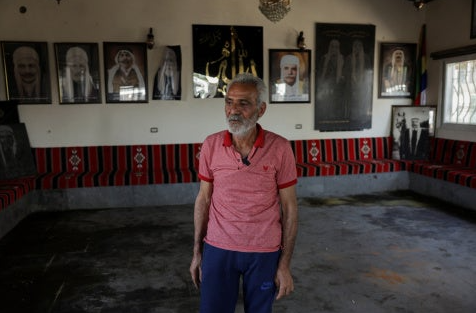
Human Rights Watch documented dozens of apparently unlawful killings and reported that both Druze and Bedouin civilians were targeted. The organization also cited evidence of arbitrary detentions, hostage-taking, and acts humiliating civilians on the basis of identity. Entire neighborhoods and villages were reportedly damaged or destroyed during the violence.
Syrian authorities publicly condemned the abuses and announced the formation of an investigative committee, pledging accountability. However, the investigation has been delayed, and no public findings have yet been released. Human Rights Watch said previous government inquiries into other incidents have focused on low-level personnel while shielding senior commanders, despite the principle of command responsibility under international law.
The violence in Sweida occurred against a backdrop of renewed clashes elsewhere in Syria involving minority-led armed groups, highlighting what rights groups describe as a pattern of unresolved abuses. Human Rights Watch and UN experts have called for independent, impartial investigations and prosecutions that meet international fair trial standards.
The organization warned that without meaningful accountability and structural reform of Syria’s security forces, cycles of violence and retaliation are likely to continue. It urged Syrian authorities, along with the international community, to ensure justice for victims, protect civilians, and support credible accountability mechanisms if domestic efforts remain inadequate.