
UN Warns Food Aid in Sudan Could End by March, Worsening World’s Largest Hunger Crisis
The United Nations has warned that food assistance in Sudan could come to a complete halt by the end of March unless new funding is urgently secured, a move that could push millions of people deeper into hunger and famine.
According to UN statements seen by Shia Waves Agency, Sudan is facing one of the most severe humanitarian emergencies in the world, with millions of people affected by conflict, displacement, and food insecurity. The World Food Programme (WFP) said its remaining food stocks in the country are rapidly running out, raising concerns that regular distribution of life-saving aid may not be possible in the coming weeks.
WFP officials told the Associated Press that food rations had already been reduced to the minimum levels required for survival and that there is no further capacity to cut supplies without serious consequences.
The crisis stems from nearly three years of internal conflict between the Sudanese army and paramilitary forces, which has killed tens of thousands of people and displaced more than 11 million. Fighting has severely damaged agricultural production, supply routes, and humanitarian access, particularly in conflict-affected regions.
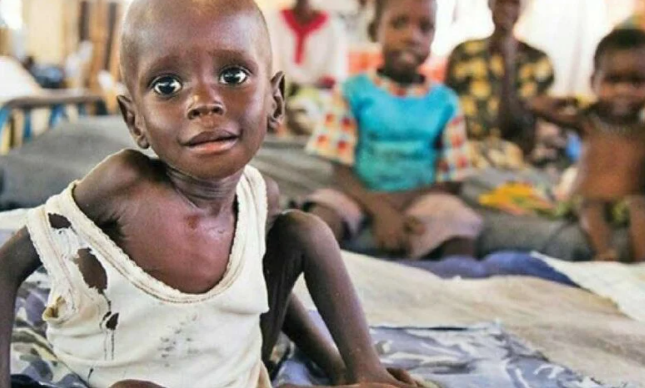
The UN estimates that more than 21 million people—nearly half of Sudan’s population—are currently facing acute food insecurity. UN-supported assessments have confirmed famine conditions in El Fasher in North Darfur and in Kadugli in South Kordofan, while nearby areas such as Dilling are considered at high risk, though insecurity has prevented formal classification.
UN experts warned that any suspension of food aid would have catastrophic consequences, particularly for children, the elderly, and displaced families, and urged the international community to act immediately to provide sustained funding and prevent a collapse of humanitarian operations in Sudan.