
Red Alert in Kashmir: Mosque Data Collection Sparks Religious Freedom Concerns
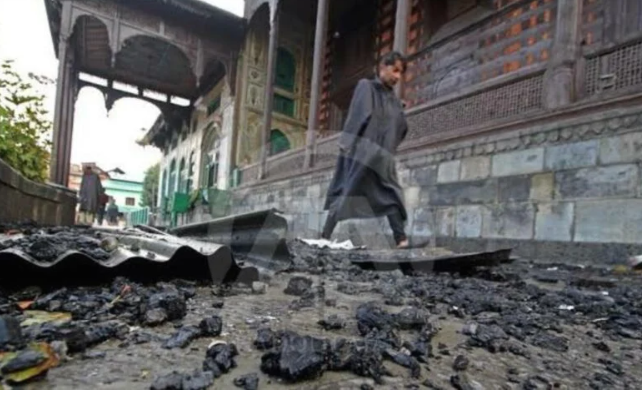
Security measures in Indian-administered Jammu and Kashmir have triggered widespread controversy after authorities began collecting detailed information on Islamic mosques, clerics and associated individuals, drawing sharp criticism from local religious and political figures.
Police in the Kashmir Valley have circulated multi-page forms demanding extensive data on mosques, madrassas, management committees, imams and khatibs, including details on construction, sources of funding, monthly income and expenditure, as well as personal information such as bank and passport details, phone numbers and digital data. Critics say this level of data gathering goes far beyond routine administrative needs and amounts to intrusive surveillance of religious life.
The profiling exercise, reportedly initiated after recent security concerns cited by authorities, has prompted outcry from religious bodies and opposition leaders. The Mutahida Majlis-e-Ulema (MMU) and other religious organisations have condemned the action as a violation of constitutional guarantees of religious freedom and privacy, arguing that mosques are sacred institutions that should not be subjected to arbitrary scrutiny.
Political leaders have also voiced alarm. Mehbooba Mufti, president of the People’s Democratic Party and former chief minister of the region, described the profiling as interference in religious affairs and questioned why similar measures are not applied to other faith institutions, such as temples. She warned the exercise could alienate Muslim worshippers and instil fear among communities.
The All Parties Hurriyat Conference (APHC) chapter in Azad Jammu and Kashmir has urged international rights groups and diplomatic bodies to address what it calls attacks on religious autonomy and social trust. Its leaders argue that the collection of highly sensitive information, including bank and social-media data, constitutes a direct threat to religious freedom and community cohesion.
Local human rights advocates and analysts warn that the profiling initiative risks deepening social tensions and undermining confidence between communities and authorities, especially in a region already shaped by years of conflict and political strain. They call for transparent dialogue and safeguards to protect constitutional rights while balancing legitimate security needs.