

U.S. Labels Muslim Brotherhood Branches in Egypt, Lebanon and Jordan as Terrorist Organizations
The United States government has designated the branches of the Muslim Brotherhood in Egypt, Lebanon and Jordan as foreign terrorist organizations, officials announced Tuesday, marking a significant policy shift in Washington’s approach to the century-old Islamist movement.
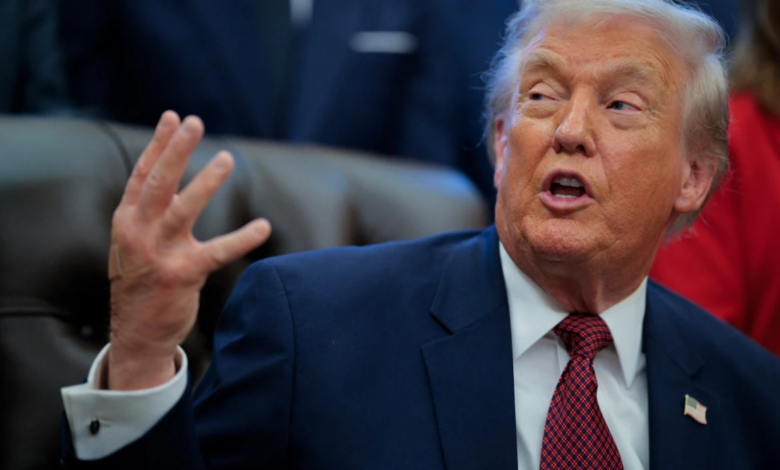
The move implements an executive order issued by President Donald Trump in November 2025, directing the U.S. State and Treasury Departments to identify and blacklist certain chapters of the Muslim Brotherhood for terrorism-related activities.
U.S. Secretary of State Marco Rubio said the designation aims to counter violence and destabilizing actions associated with the Brotherhood’s branches in these countries, and that the administration would use all available tools to deprive the groups of funding and operational support.
Under the designation, the Lebanese branch has been classified as a foreign terrorist organization and a specially designated global terrorist entity, and its leader, Mohamed Fawzi Takoush, has been named a global terrorist. Separately, the Egyptian and Jordanian branches were identified as specially designated global terrorists by the U.S. Treasury due to alleged material support to armed groups such as Hamas.
The designation blocks U.S. citizens and entities from providing any financial or material support and freezes any assets linked to the listed groups within U.S. jurisdiction. It also criminalizes support or fundraising for these organizations and bars designated individuals from entering the United States.
The Muslim Brotherhood, founded in 1928 in Egypt, has long maintained a wide network across the Middle East and beyond. While some countries have previously declared it a terrorist organization, the U.S. action marks a rare formal classification of specific Brotherhood branches under U.S. anti-terrorism law.
An Egyptian Muslim Brotherhood official responded to the designation by rejecting it and saying the group will pursue legal challenges, according to reports.
This development comes amid broader geopolitical tensions in the Middle East and growing U.S. scrutiny of Islamist networks believed to have links with militant groups.